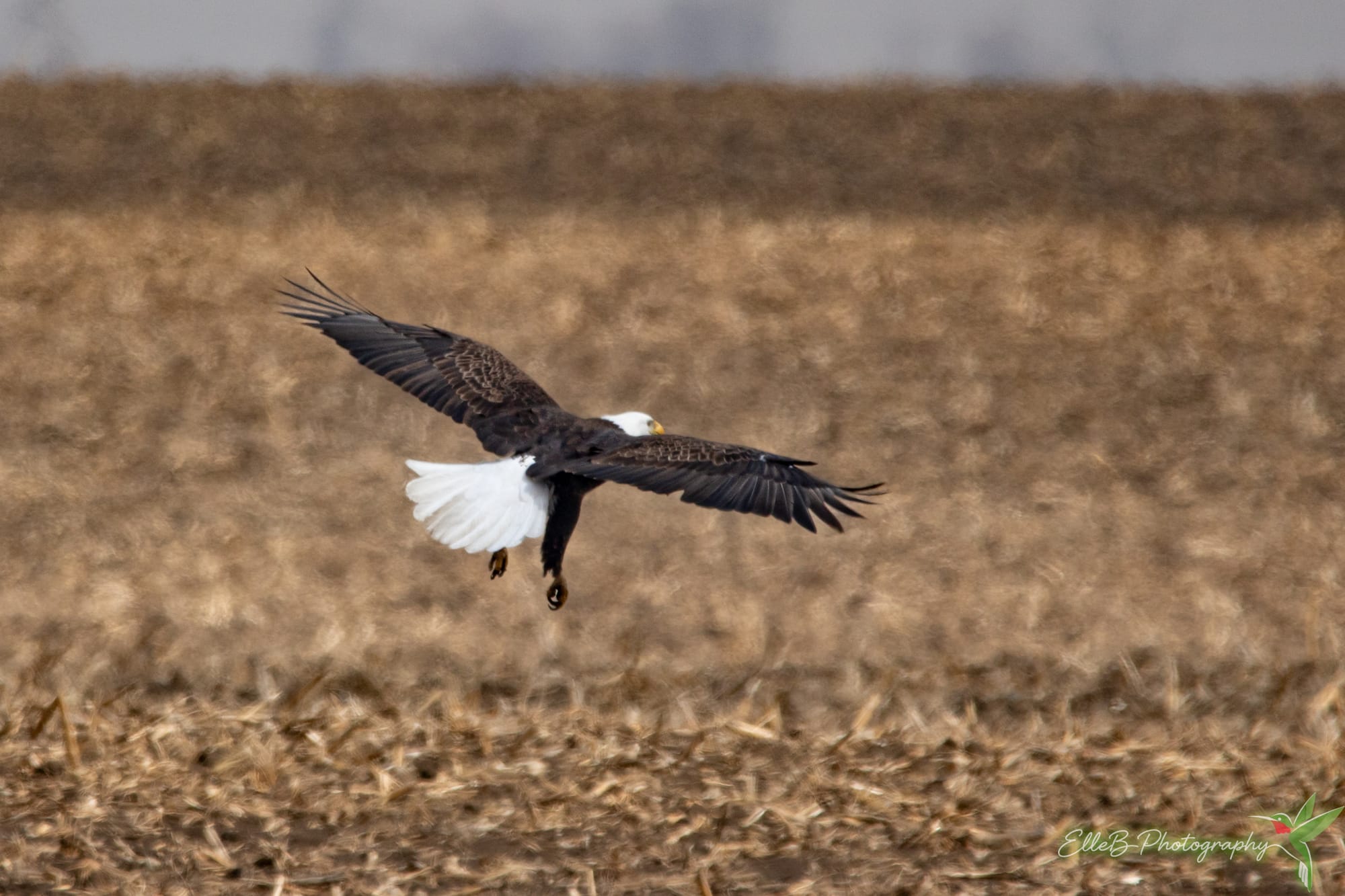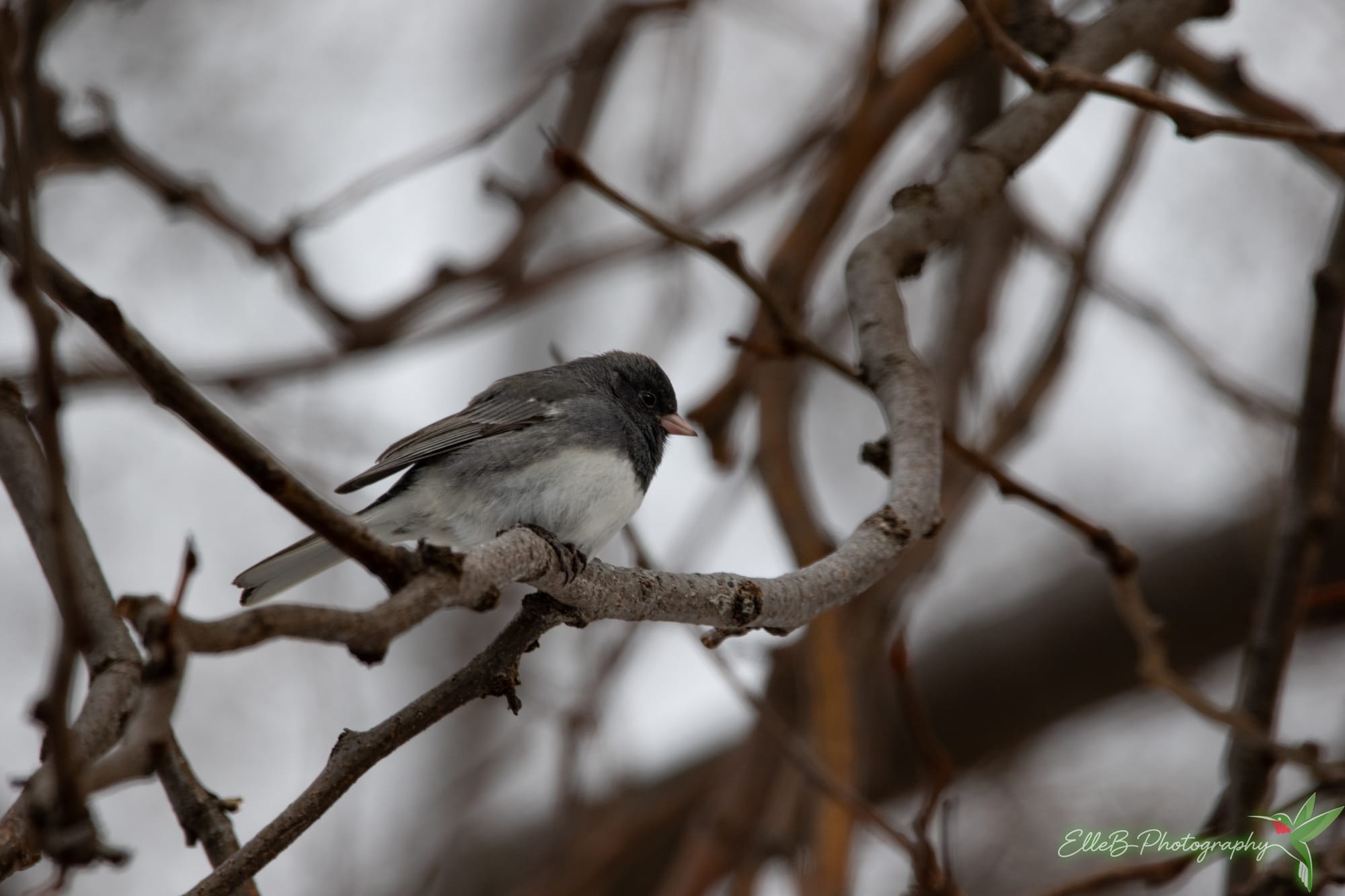
We're getting in to one of my favorite times of the year, and that is the spring migration. With spring comes all of the beautiful ducks making their way north. And half of this set of photos is five really awesome species. But before we get to the ducks, we get to start the set out with a very regal Bald Eagle.
The Bald Eagle is one of the most iconic birds of prey in North America, instantly recognizable by the adult’s bright white head and tail contrasting against a dark brown body. These powerful raptors are closely tied to water, where they hunt primarily for fish, though they will also scavenge carrion or steal prey from other birds. They are a pretty common sight here in NW Iowa especially during the winter, often leading to getting some really beautiful shots of them like this one.
Despite the name Red-bellied Woodpecker, the faint reddish wash on the belly is often difficult to see; the bird is more easily recognized by the bold black-and-white barred back and the bright red crown that extends from the bill to the nape in males. Red-bellied Woodpeckers are versatile feeders, using their strong bills to probe bark for insects while also eating nuts, seeds, fruits, and suet at feeders. Red-bellied Woodpeckers show up to my feeders pretty often, however they snatch the snack they want and promptly leave. They are still one of my favorites though!
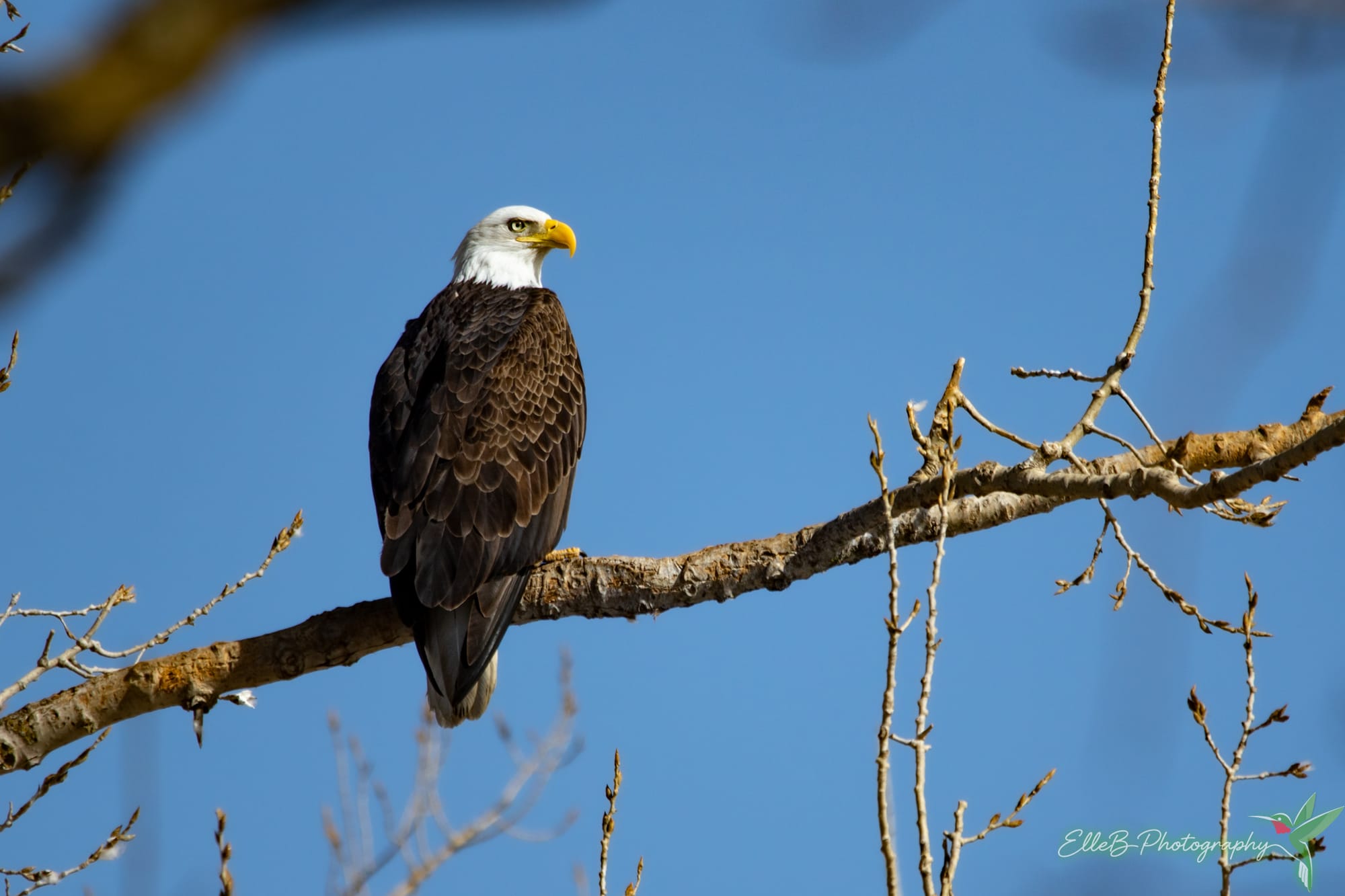
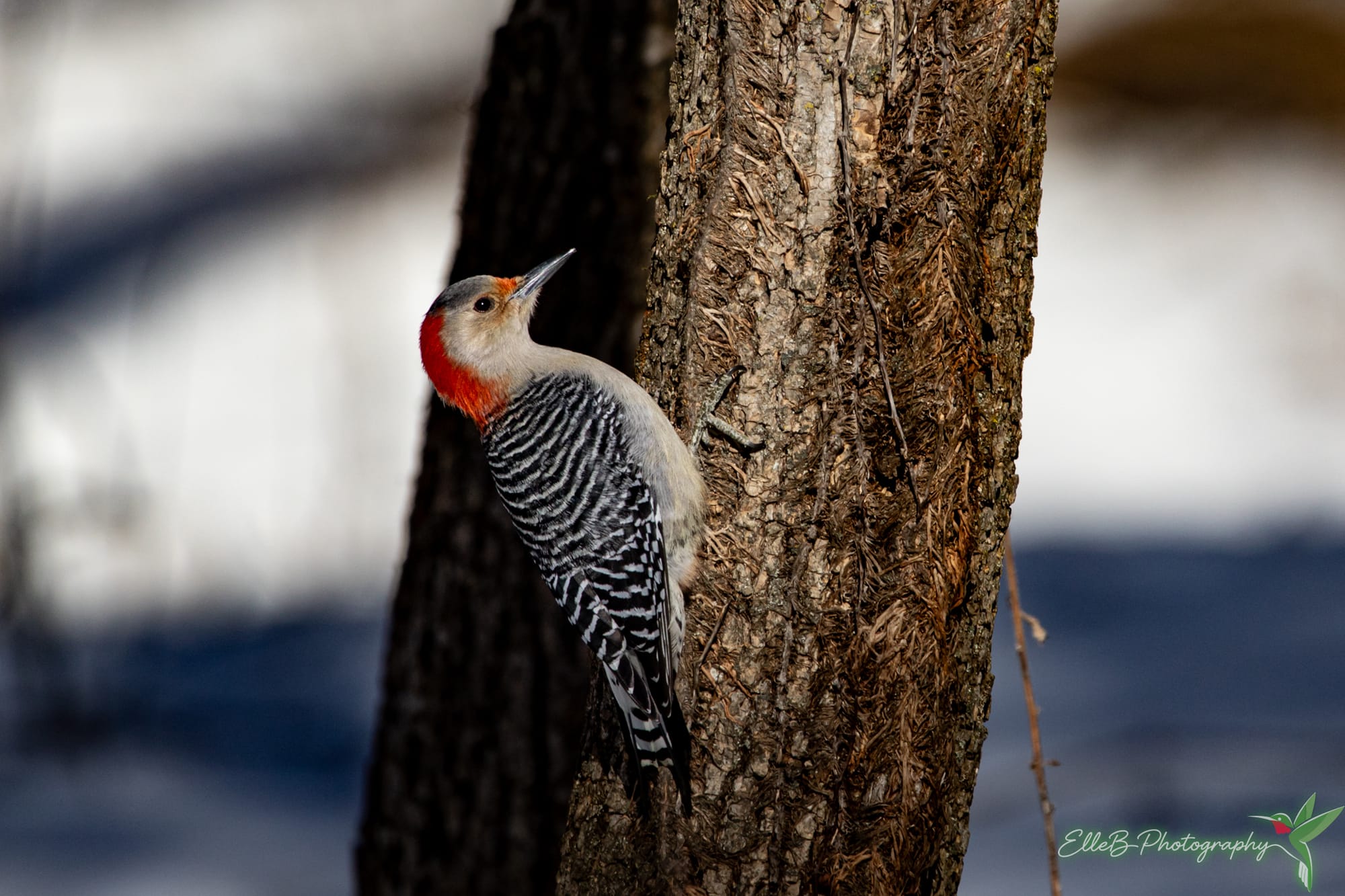
Bald Eagle, Red-bellied Woodpecker
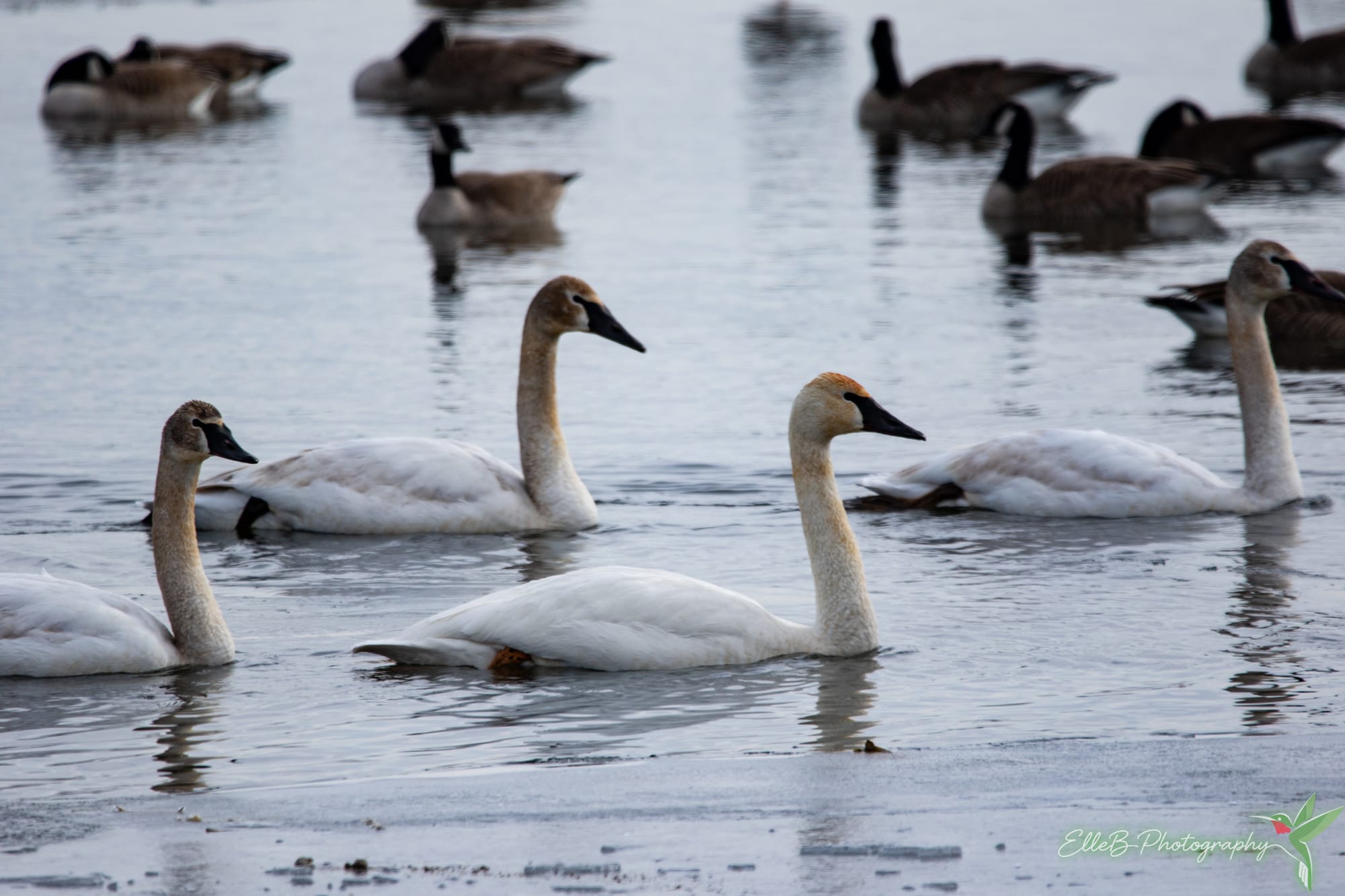
Is there anything more elegant or dreamy than a beautiful white Trumpeter Swan? The Trumpeter Swan is the largest native waterfowl species in North America and one of the heaviest flying birds in the world. These birds inhabit lakes, wetlands, and slow-moving rivers where they feed primarily on aquatic plants, using their long necks to reach vegetation beneath the water’s surface.
Easily recognized by its long, narrow red bill with serrated edges, the Common Merganser is built for gripping slippery prey underwater. Males have striking white bodies with dark green heads, while females are distinguished by their soft gray bodies and shaggy reddish crests. This species is typically found on rivers, lakes, and reservoirs where clear water allows them to spot fish beneath the surface.
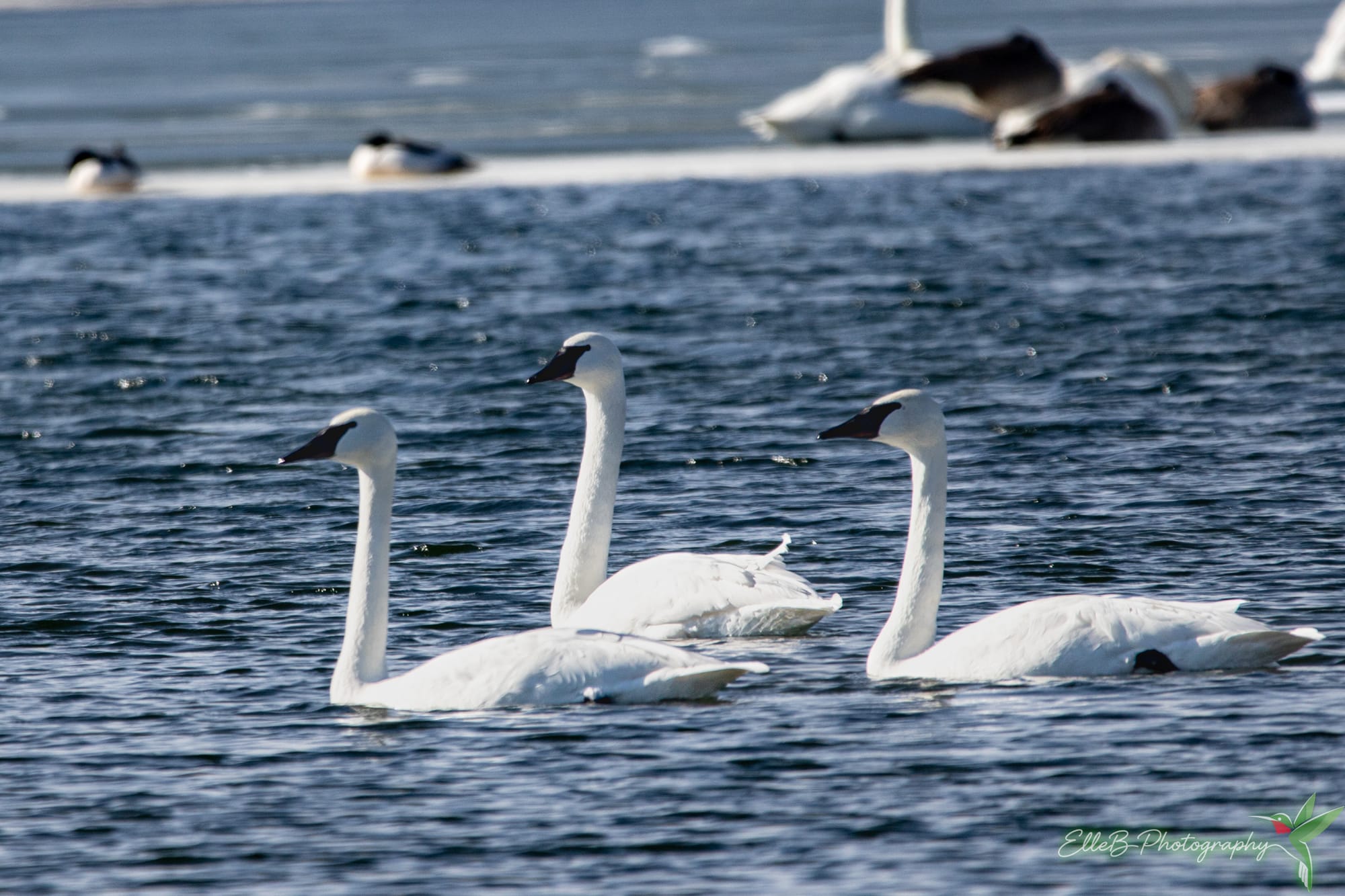
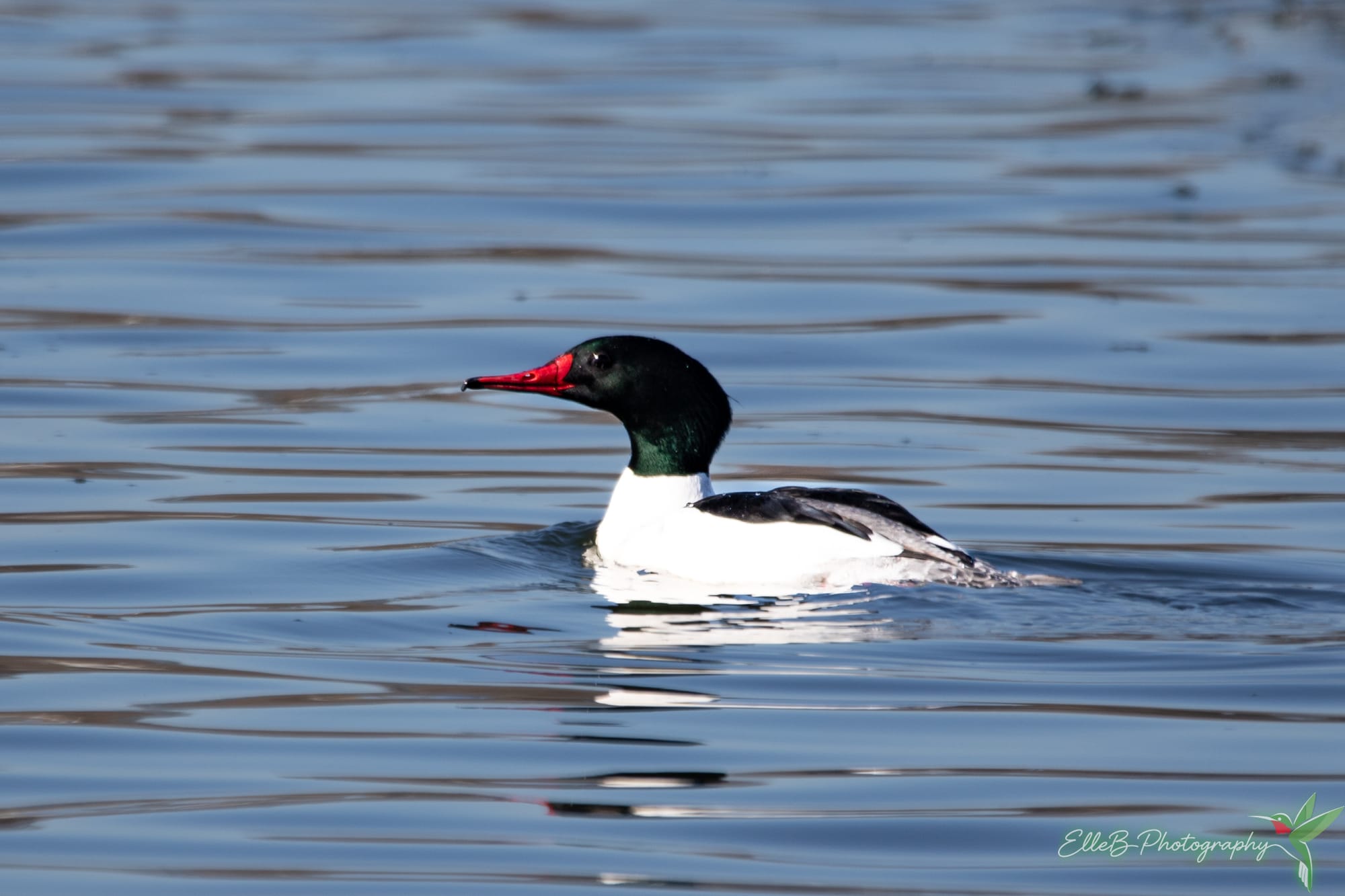
Trumpeter Swan, Common Merganser
The Lesser Scaup is a small diving duck commonly found on lakes, rivers, and coastal waters across North America. Males are easily recognized by their dark head with a subtle purple sheen, pale gray back, and distinctive light blue bill tipped with black, while females are brown with a pale patch near the base of the bill. They are highly social birds and are often seen in large flocks, especially during migration and winter.
The Mallard is one of the most familiar and widespread ducks in the world, commonly found on ponds, lakes, rivers, and wetlands as well as city parks and neighborhood waterways. Males are easily recognized by their glossy green heads, yellow bills, and chestnut-brown chests, while females are mottled brown with an orange bill, providing excellent camouflage while nesting.
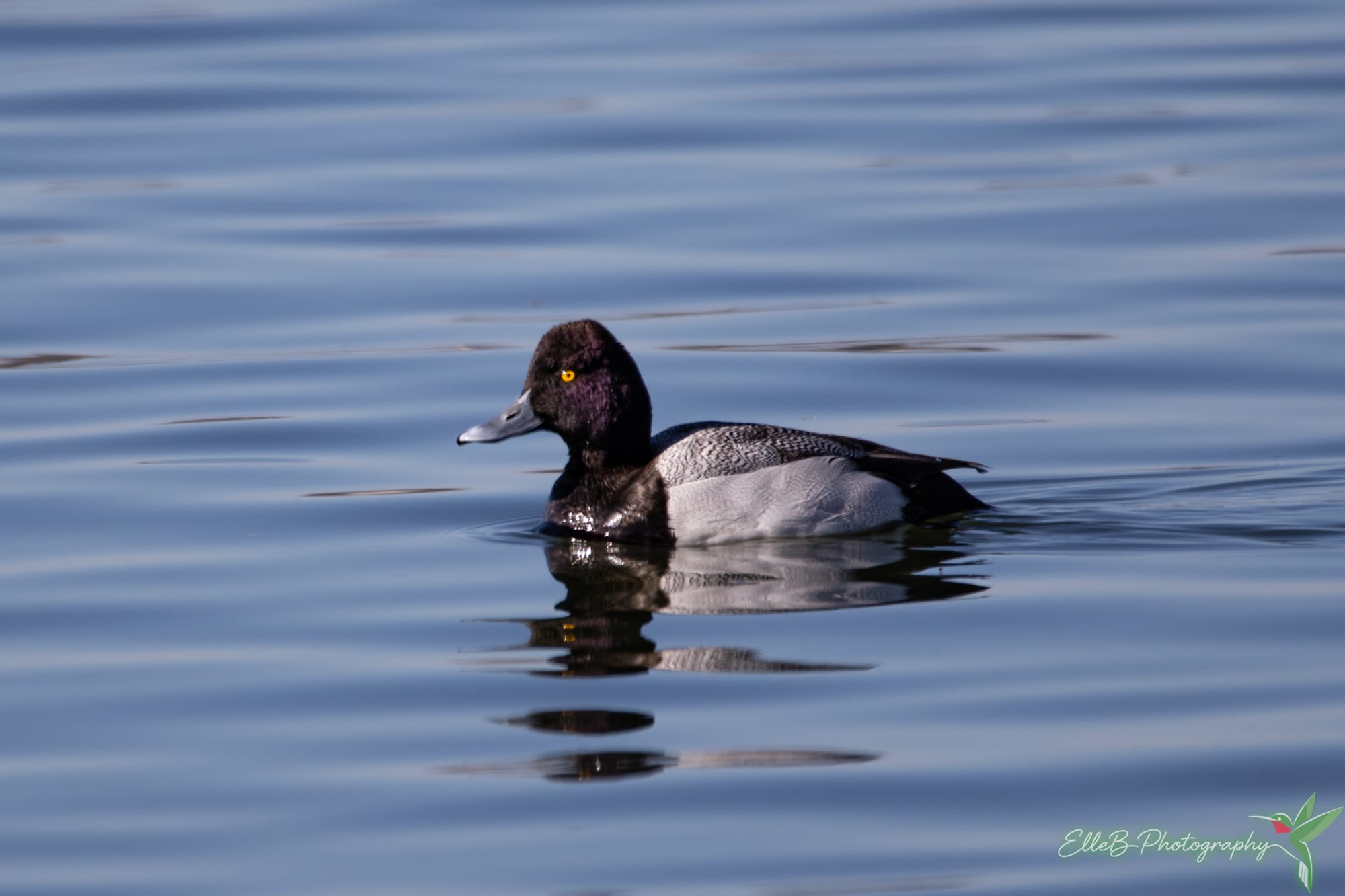
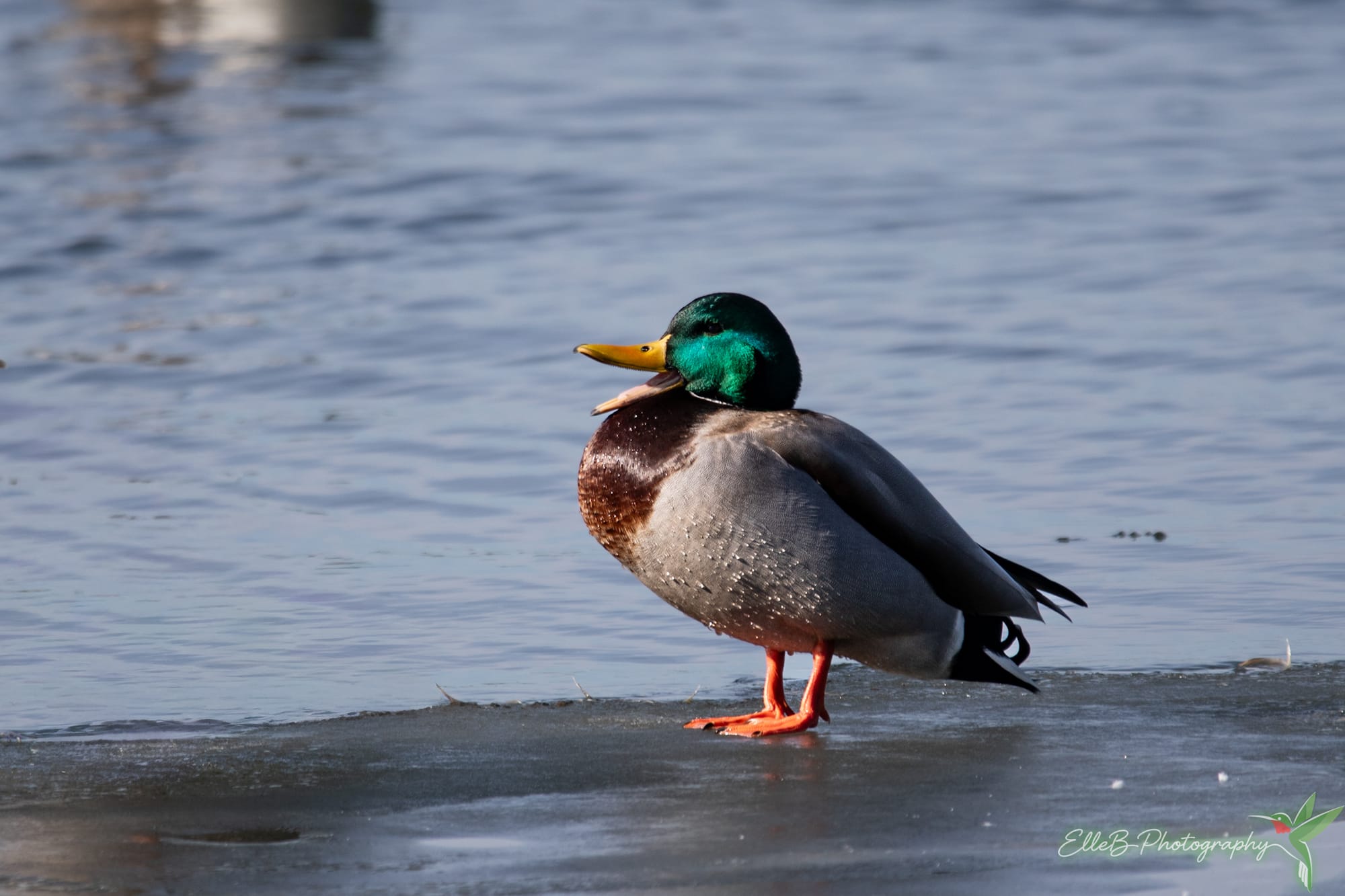
Lesser Scaup, Mallard
The Rock Pigeon is a highly adaptable bird found in cities, towns, and rural areas across much of the world. Originally native to Europe, North Africa, and western Asia, these birds were introduced to North America centuries ago and quickly established thriving populations. Rock Pigeons are well known for their gray bodies, iridescent green and purple neck feathers, and two dark bars across the wings, though many individuals show a wide variety of colors and patterns due to their long history with humans.
The Red-breasted Nuthatch is a small, energetic bird known for its bold black eye stripe, bluish-gray back, and warm rusty-colored underparts. Like other nuthatches, they are skilled climbers and are famous for moving headfirst down tree trunks while searching for insects hidden in the bark.
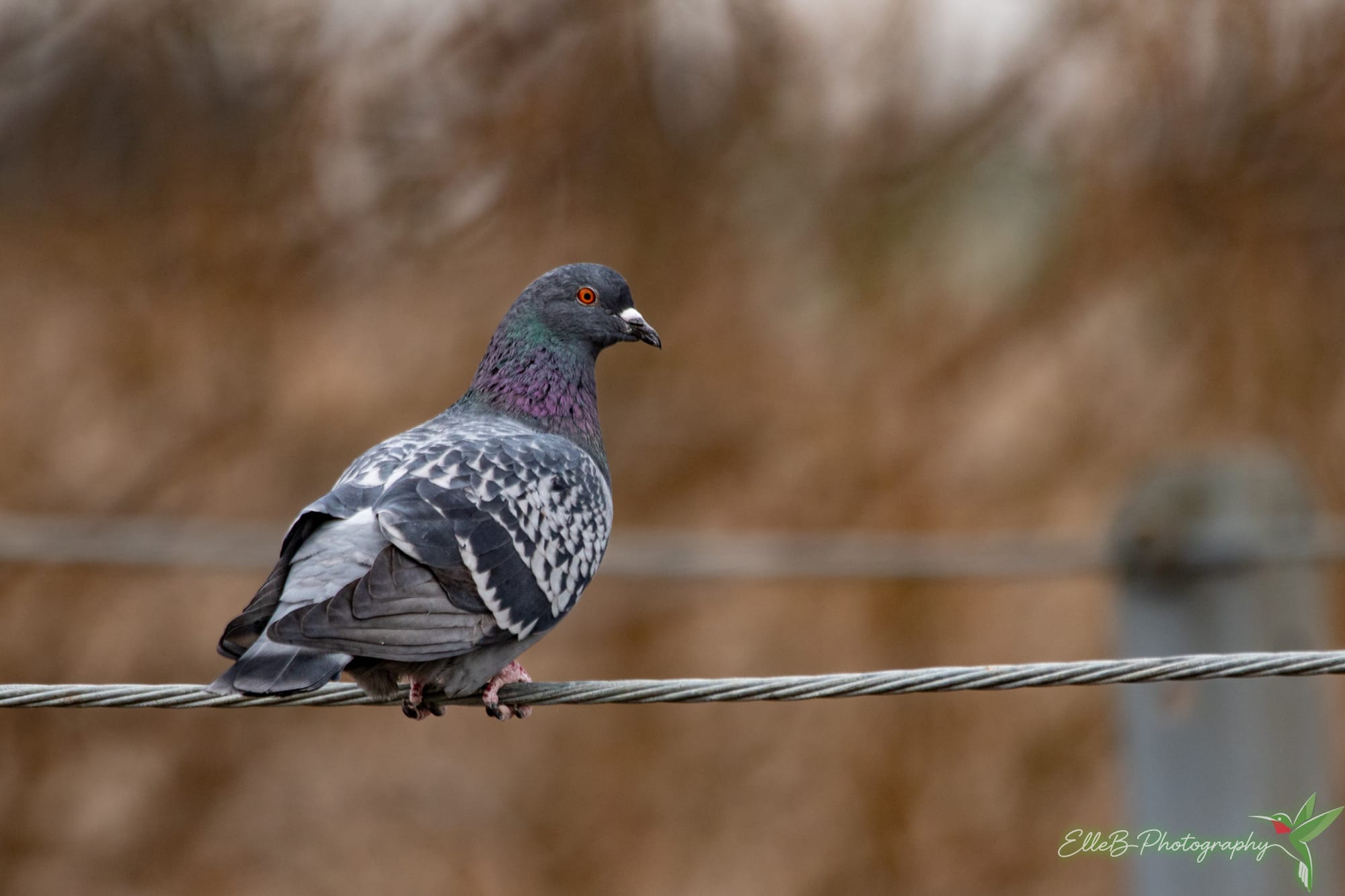
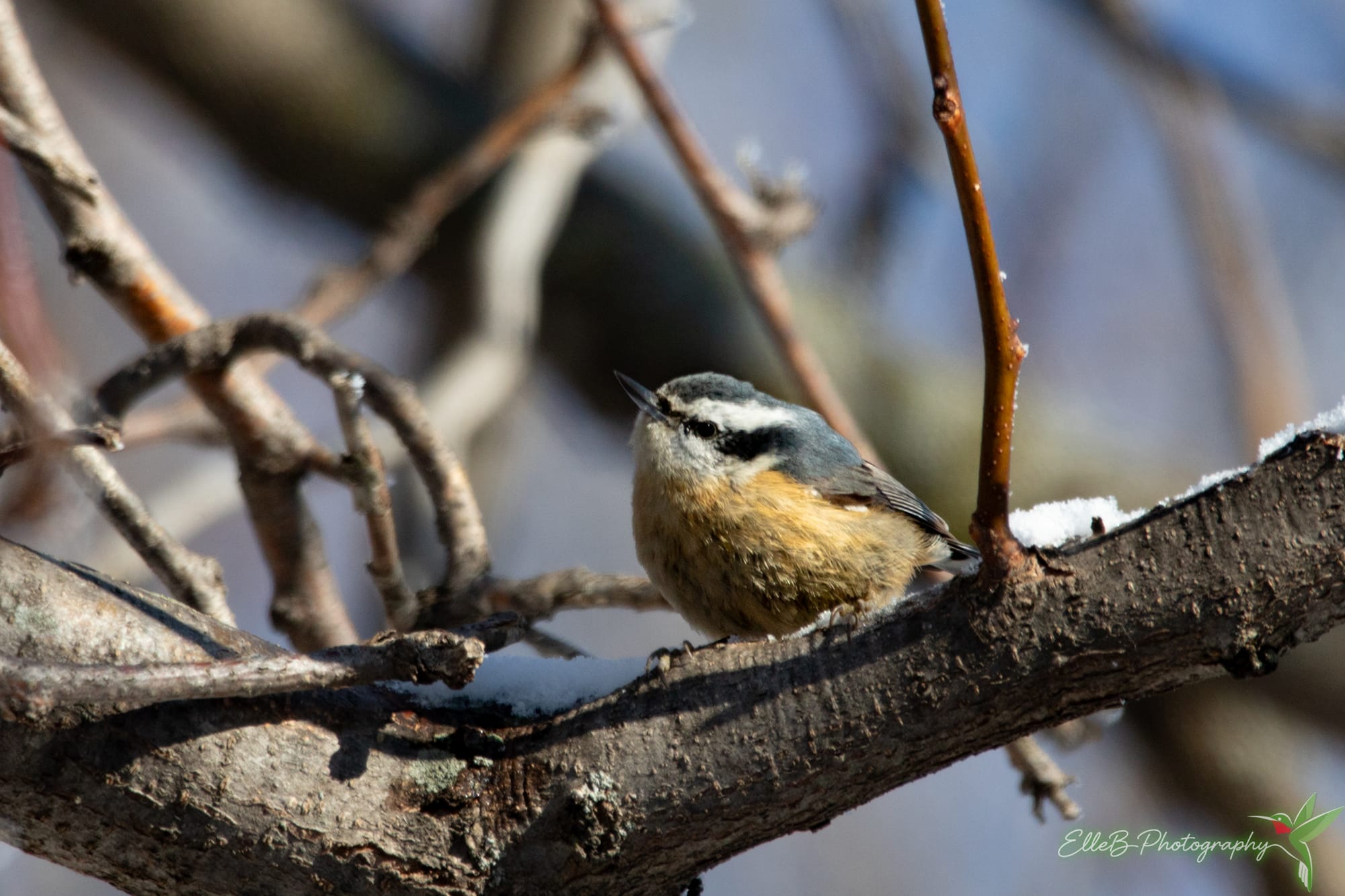
Rock Pigeon, Red-breasted Nuthatch
The Red-winged Blackbird is a familiar and widespread bird of marshes, wetlands, and open fields across much of North America. Males are strikingly black with bright red and yellow shoulder patches, which they display prominently while singing to defend their territory. These birds are strongly associated with wetlands, where males often perch on cattails or tall grasses while giving their distinctive “conk-la-ree” song.
The Horned Lark is a small ground-dwelling songbird most often found in wide open landscapes such as prairies, farmland, and grasslands. It is easily recognized by its pale brown plumage, black facial markings, and small feather tufts on the head that resemble tiny horns. I almost didn't spot this little guy hiding in the field, they blend in with the ground so well, even with that little pop of yellow.
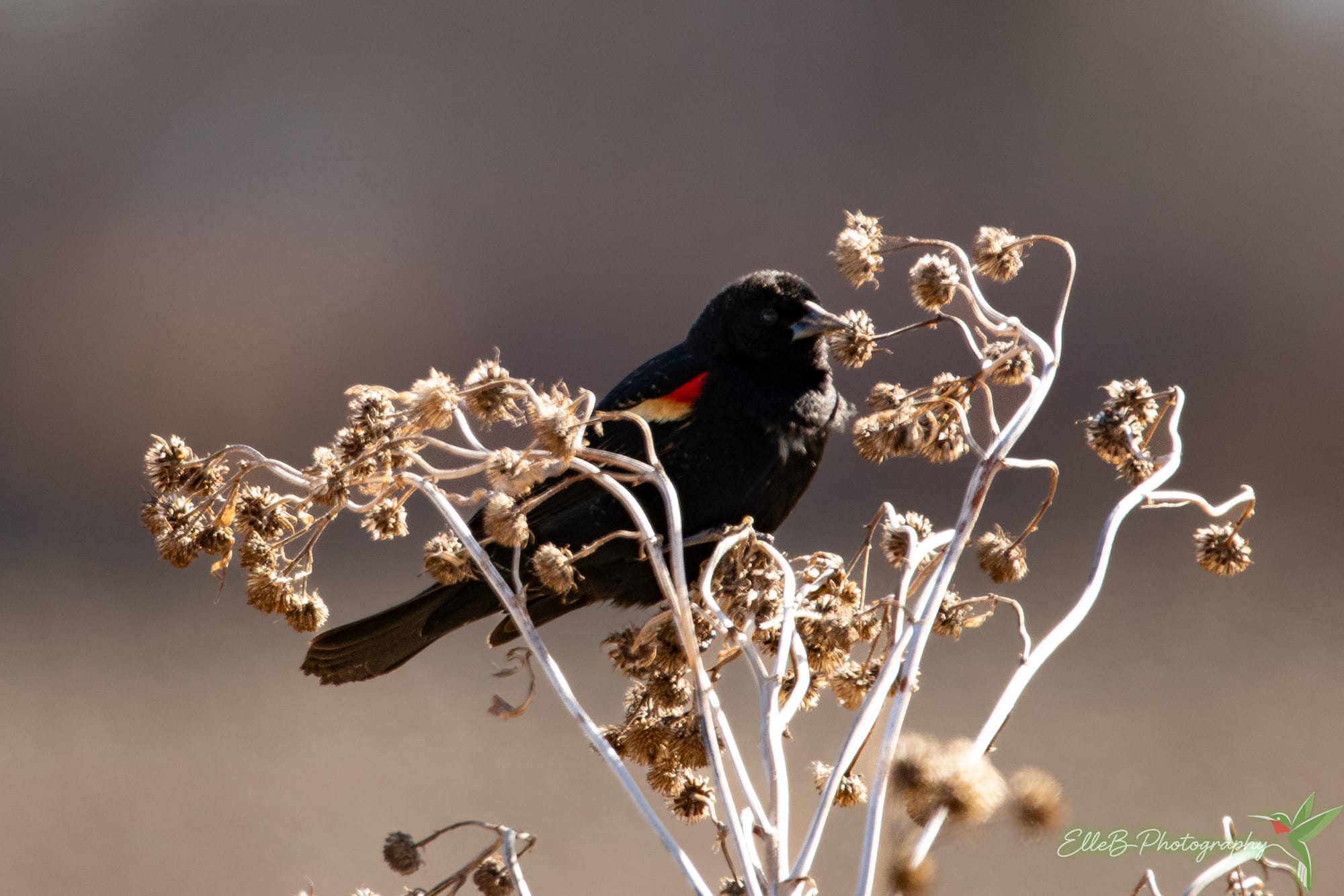
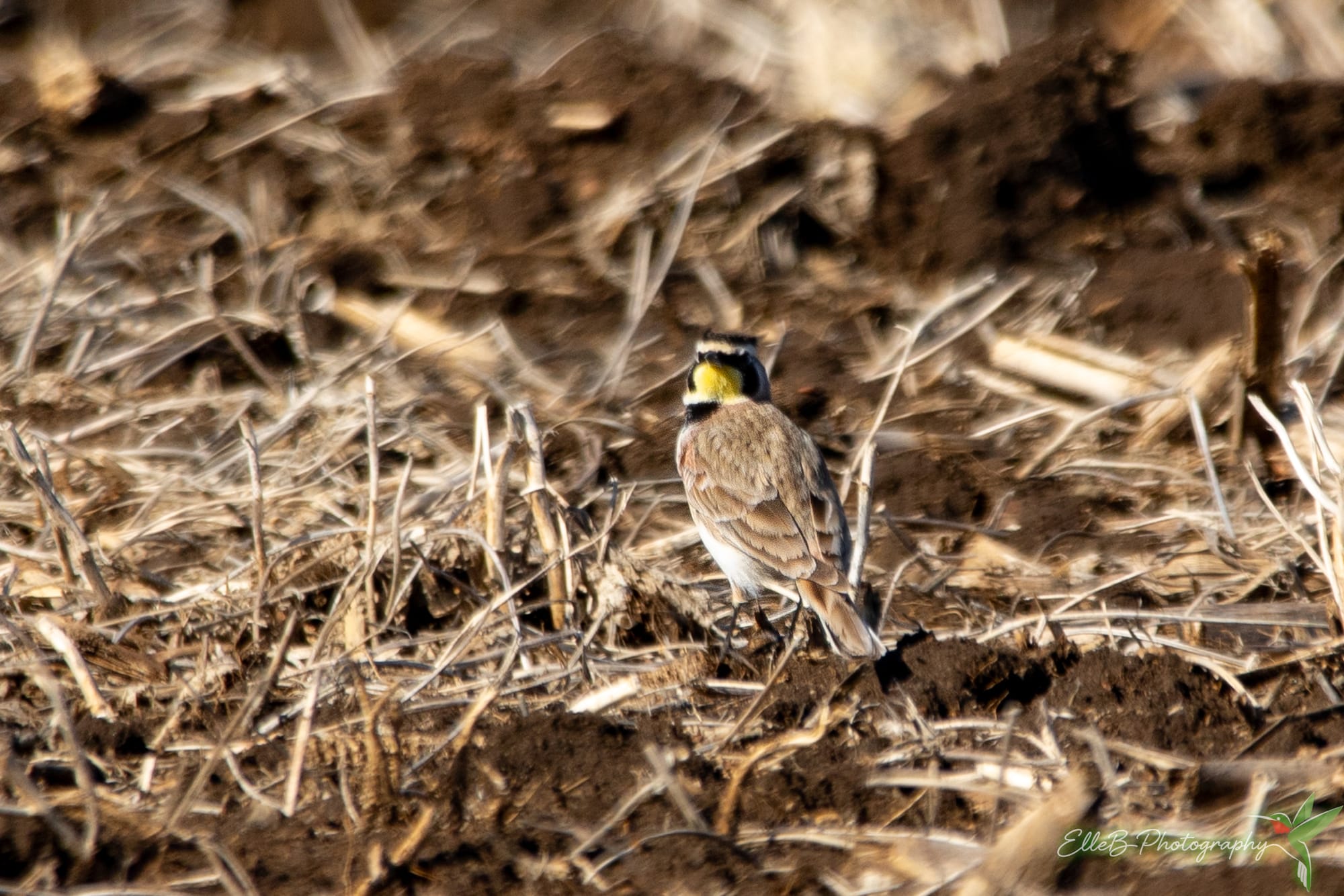
Red-winged Blackbird, Horned Lark