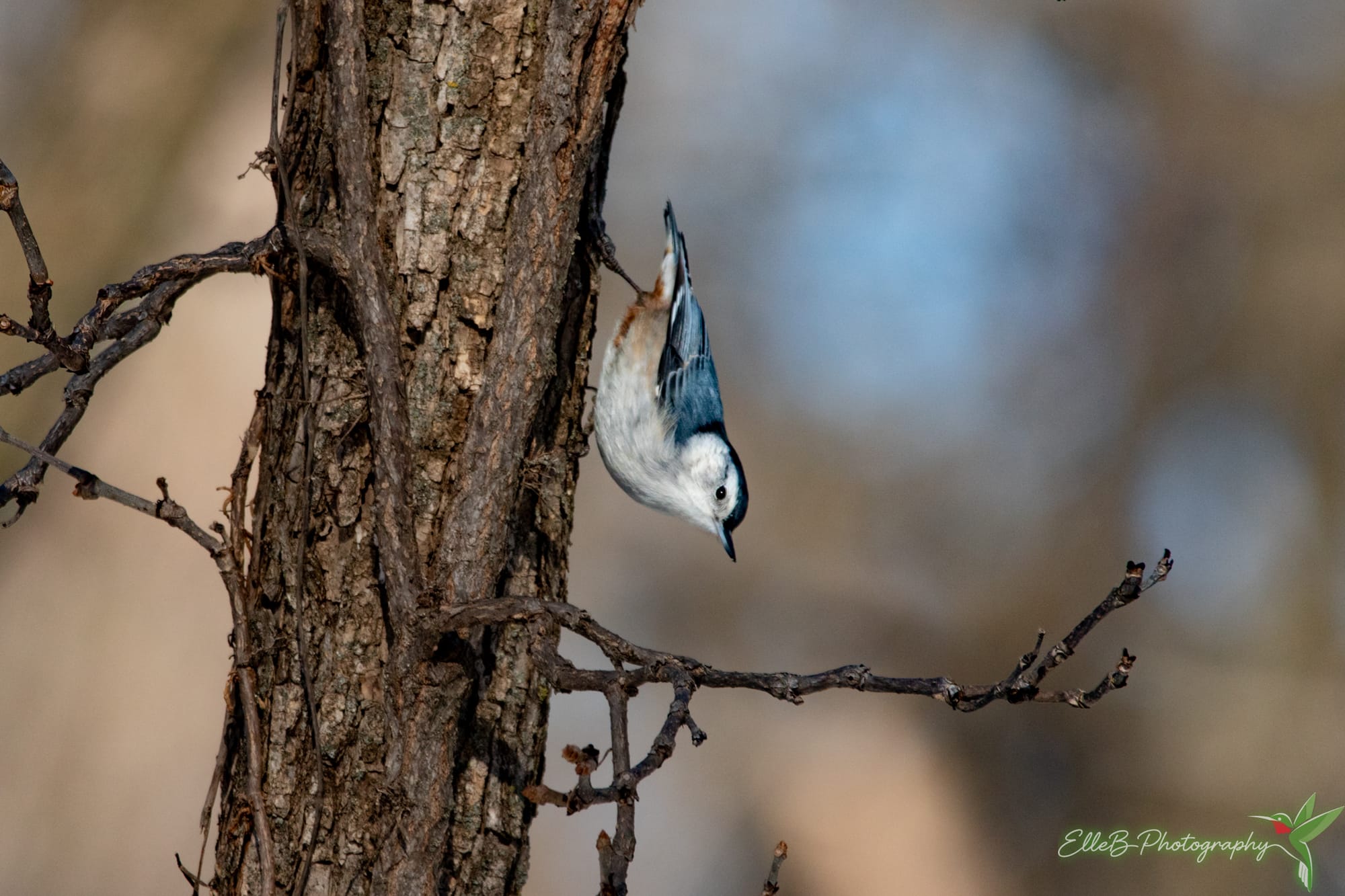
Heading in to early February I made it to 20 species! Things feel really slow compared to last Jan/Feb, but this winter has been a lot more cold and harsh, so I can only assume thats the reason. Bird #20 is the Rough-legged Hawk, and that also happens to be a new lifer! A new lifer means a new challenge being unlocked as well. I'm hoping to find 20 new birds to add to my list in 2026. Before this new addition, my list was at 163! I will definitely need to do some traveling to find 19 more new species, but I'll never complain about that. Onward to the next 10 birds.
Don't let this woodpecker deceive you, that is not a Downy! Hairy Woodpeckers look incredibly similar, but if you know what to look for you can tell the difference. Hairy Woodpeckers are a fair bit larger, and they have a longer bill. For me the bill is always the tell tale sign.
House Finches are beautiful little birds, with a really beautiful song. I loved this particular image as the male bird foraged for food among these rotten apples. If you've not encountered a House finch before, the males have this bright pop of red covering the head and chest, whereas the female are a bit more drab and a light grayish tan color.
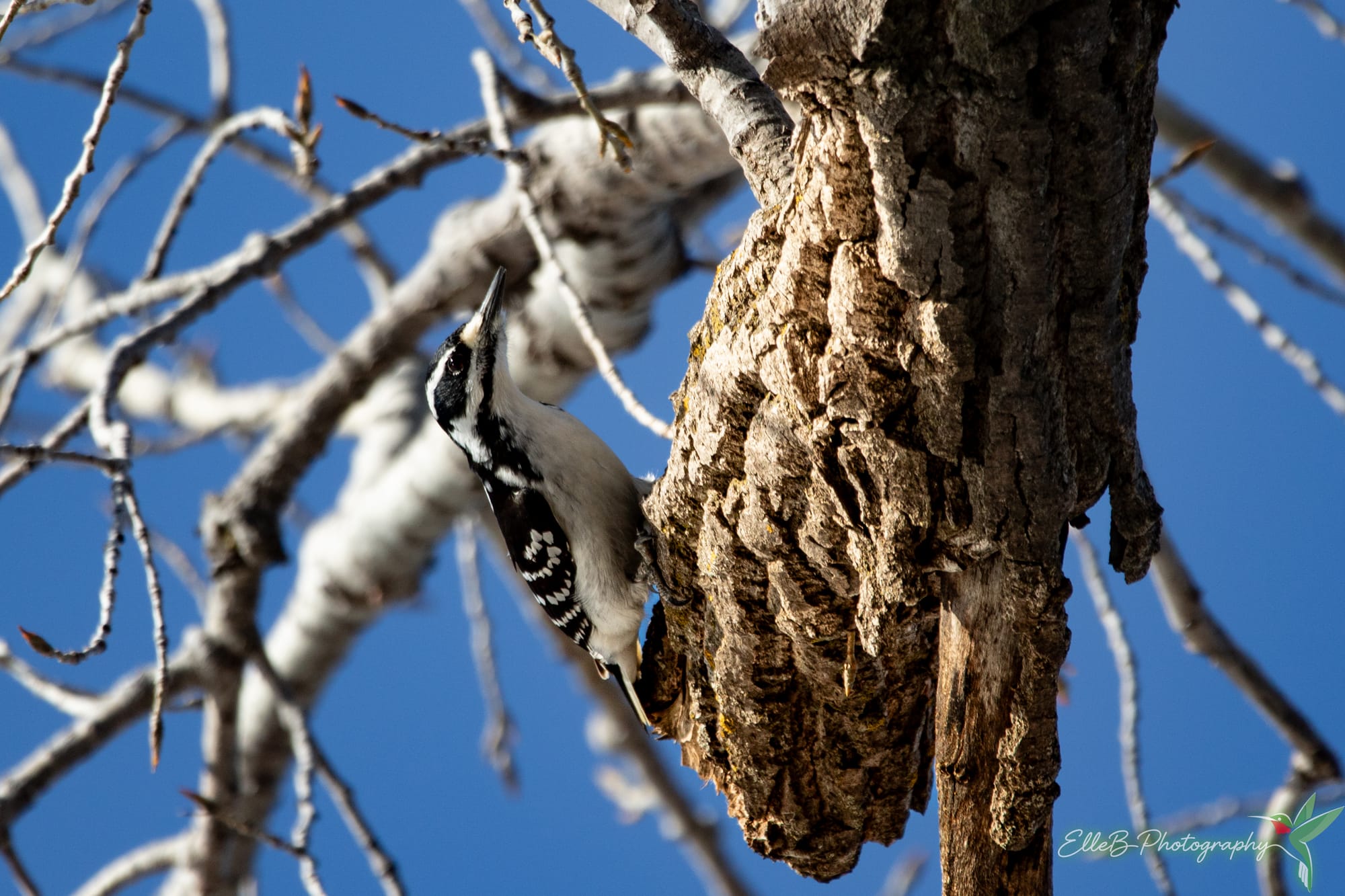
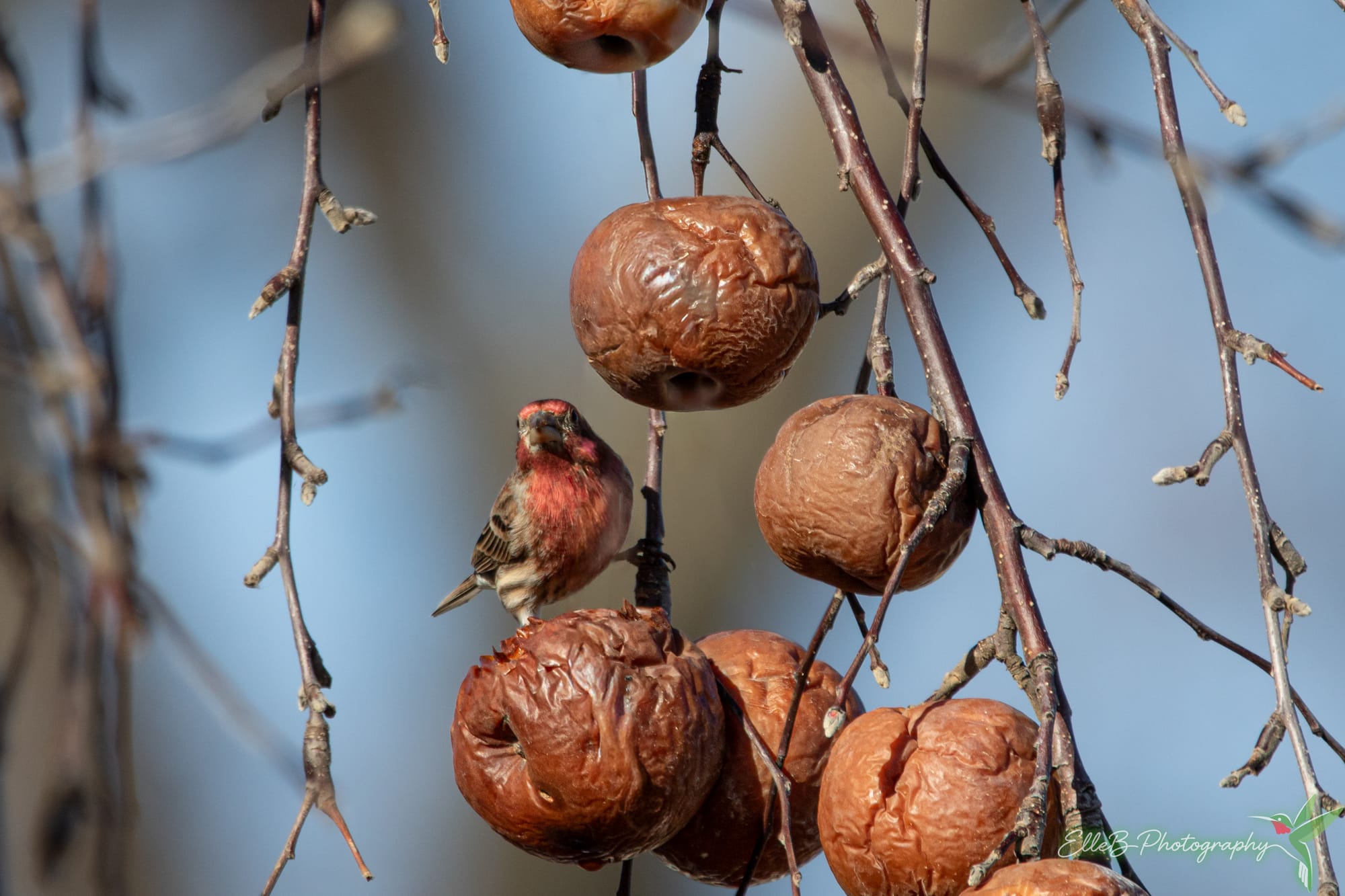
Hairy Woodpecker, House Finch
American Crows are what would be called a resident bird, meaning they don't migrate the way a lot of song birds do. Instead most prefer to remain within the same general region throughout the year, though northern populations may shift slightly south or move toward towns and cities during winter where food is easier to find.
The Cooper's Hawk is a sleek, medium-sized hawk commonly found in woodlands, neighborhoods, and city parks across North America. Known for their long tail, rounded wings, and striking red eyes in adults, these agile raptors are specialists at hunting other birds. They are incredibly maneuverable fliers, able to weave through trees at high speed while pursuing prey such as doves, pigeons, and songbirds.
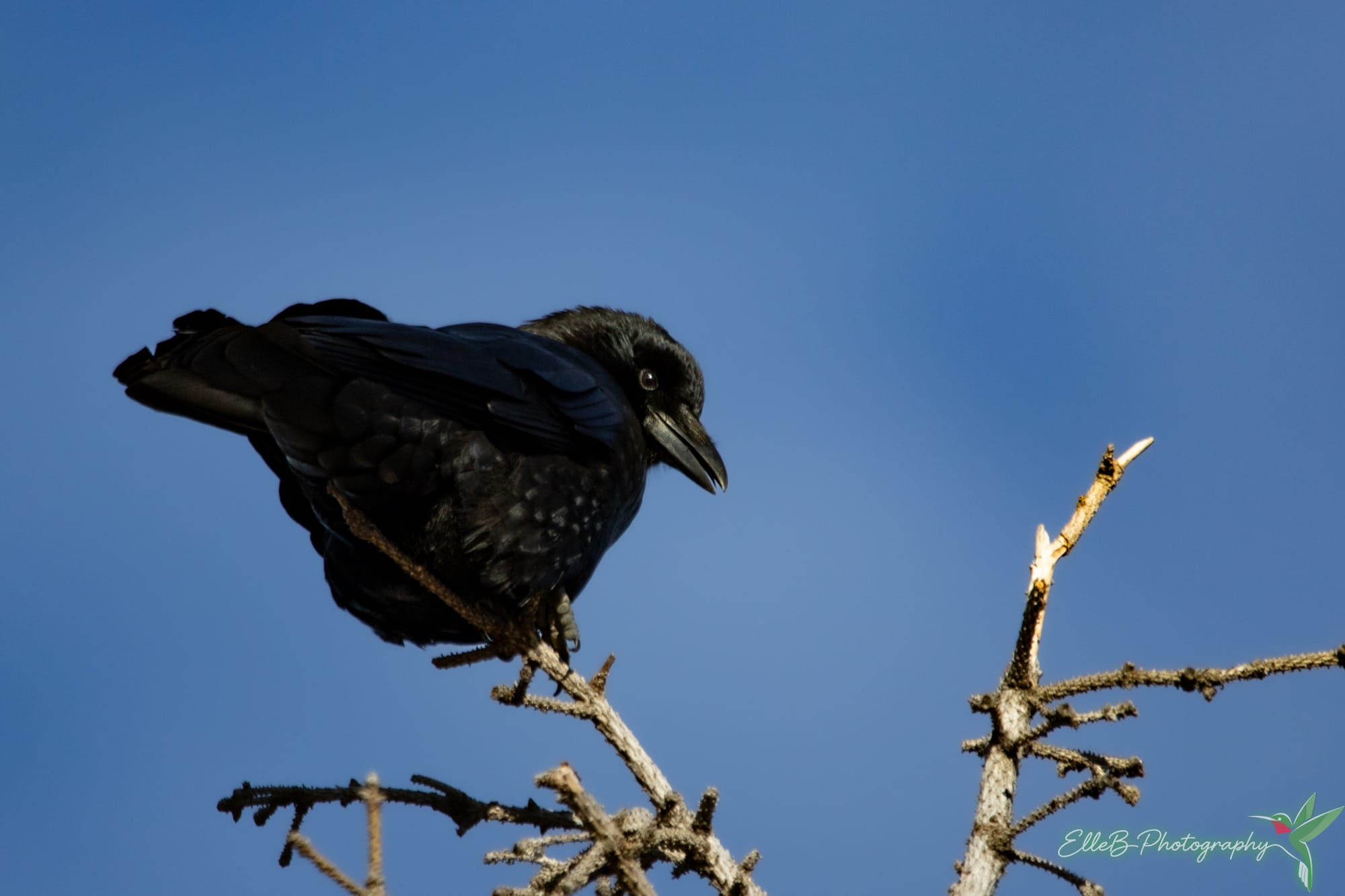
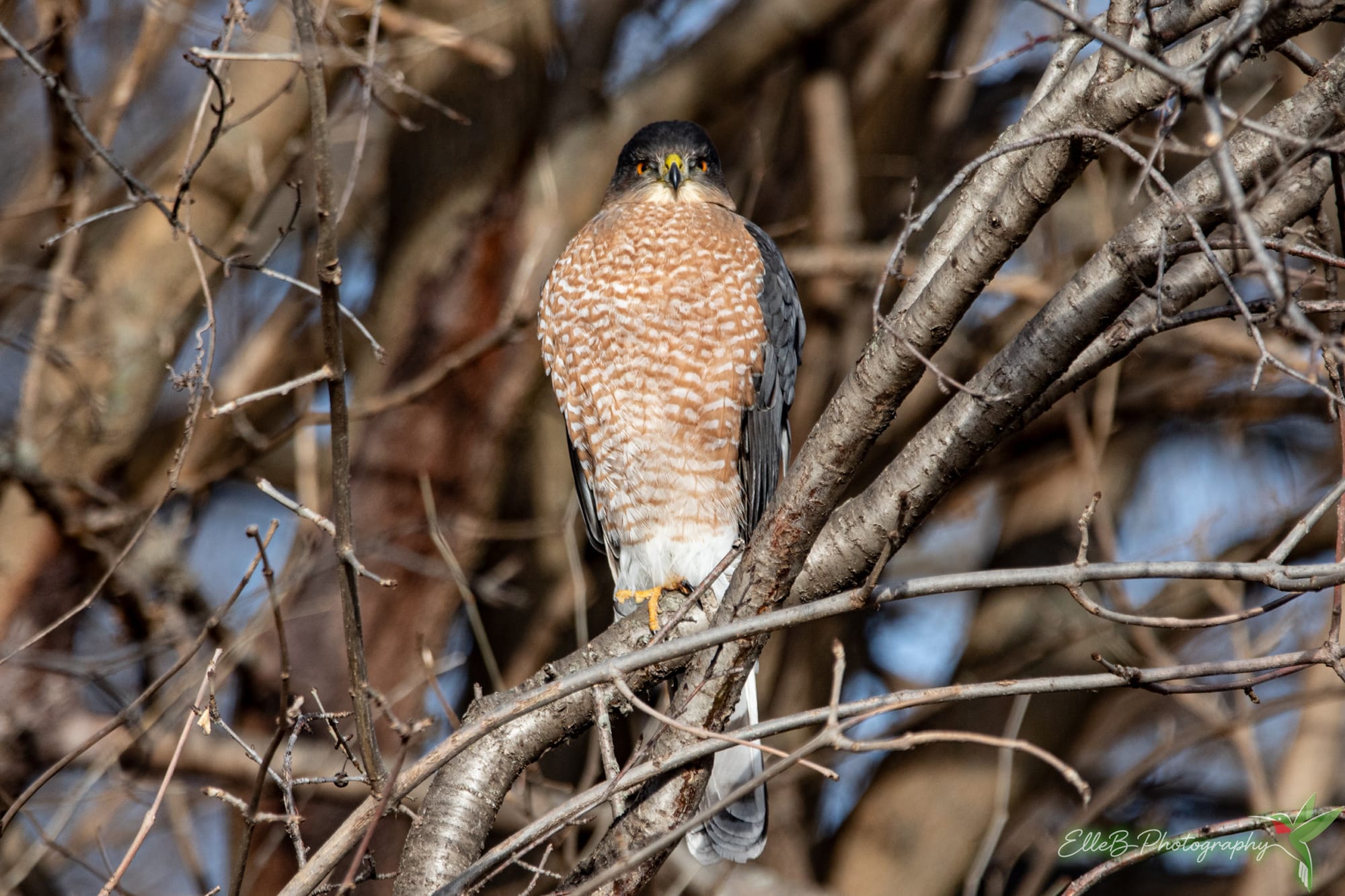
American Crow, Cooper's Hawk
With their smooth plumage and elegant posture, Cedar Waxwings have a refined appearance that makes them one of the most distinctive and recognizable songbirds in North America. These birds are especially fond of fruit and can often be found traveling in flocks as they move through woodlands, orchards, and suburban neighborhoods in search of berry-producing trees and shrubs.
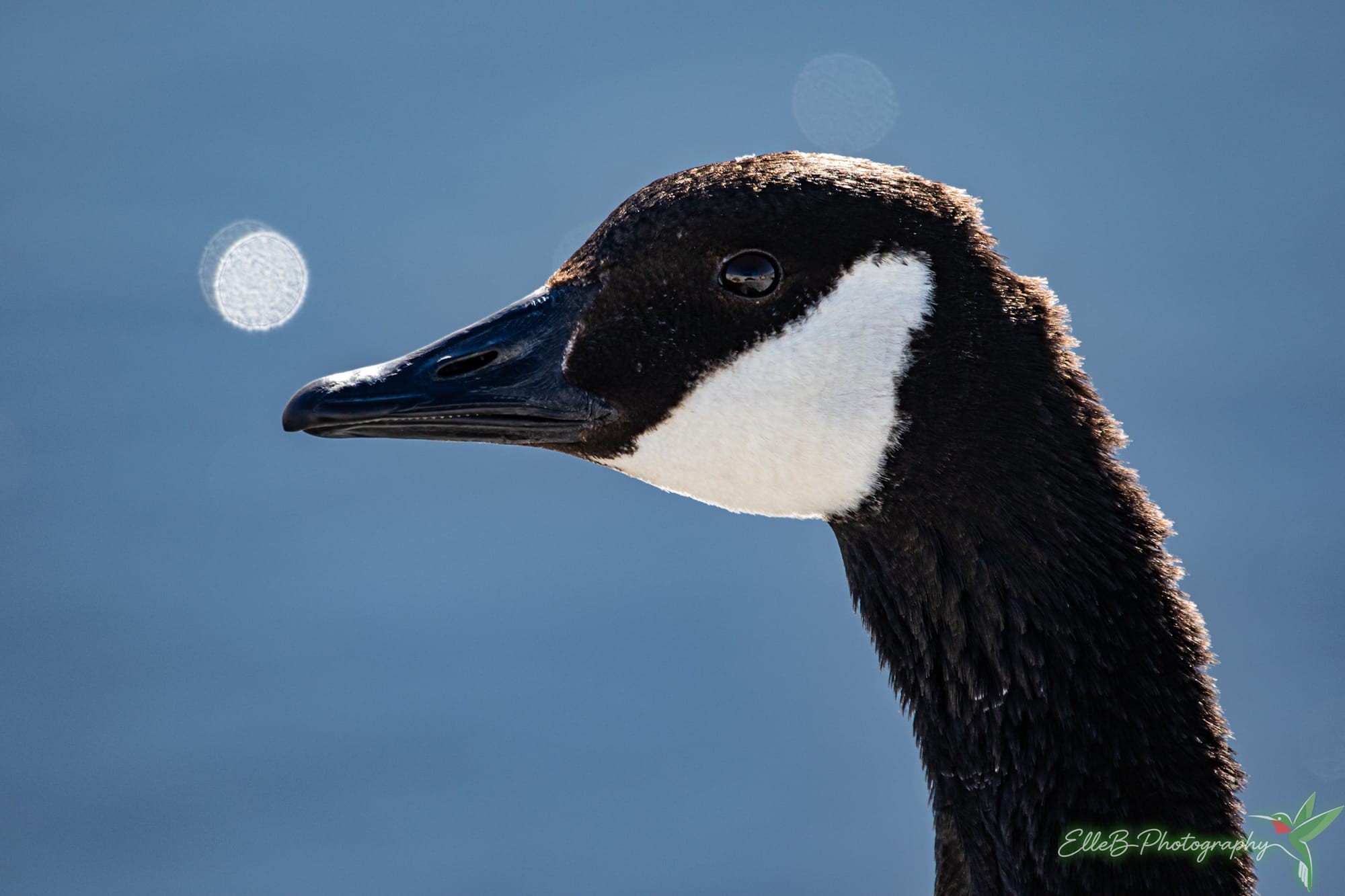
I think everyone knows the Canada Goose! These adaptable birds are commonly found around lakes, wetlands, rivers, and even city parks and golf courses. Canada Geese are highly social and often travel in family groups or large flocks, communicating with their familiar honking calls.
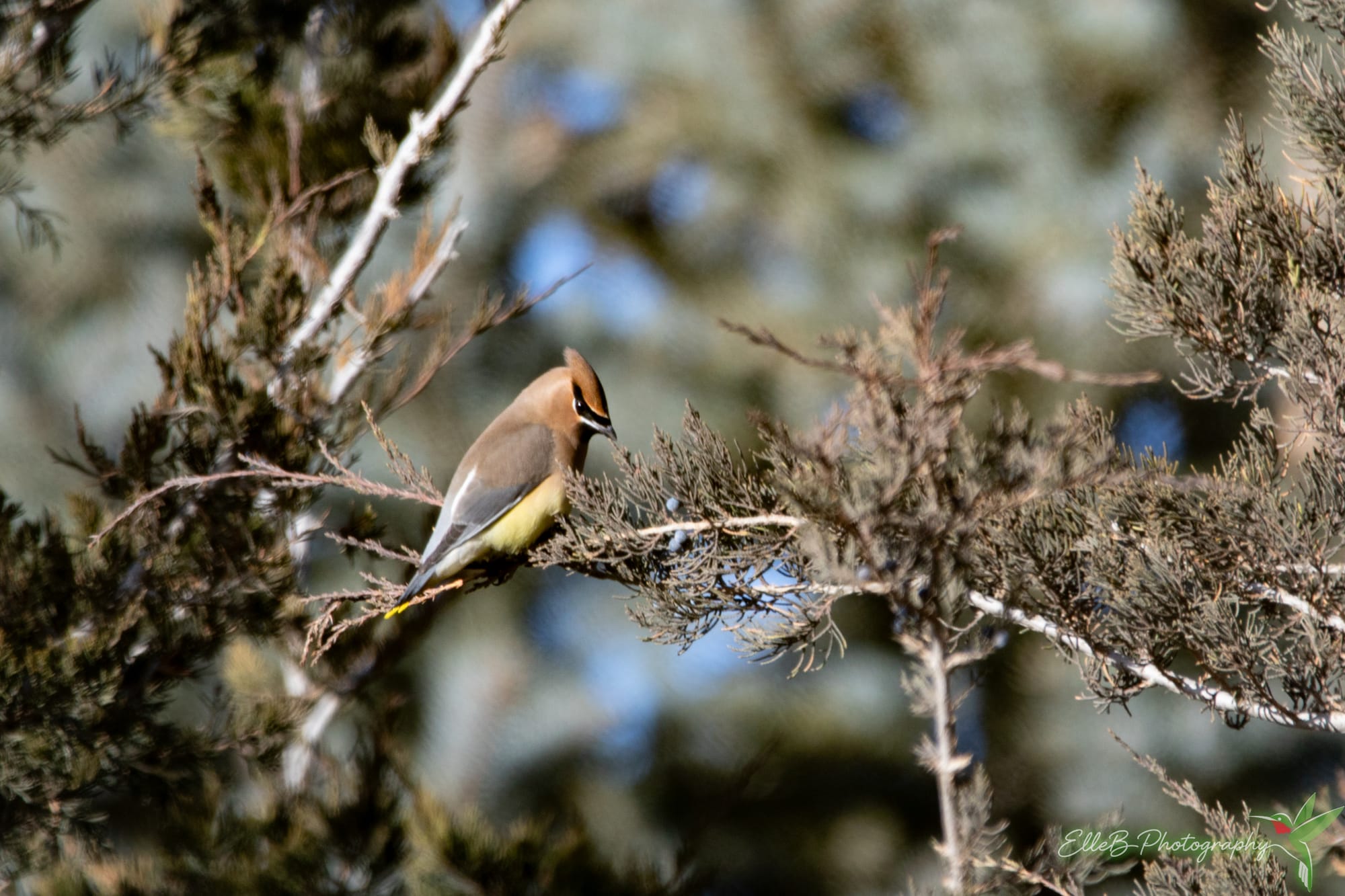
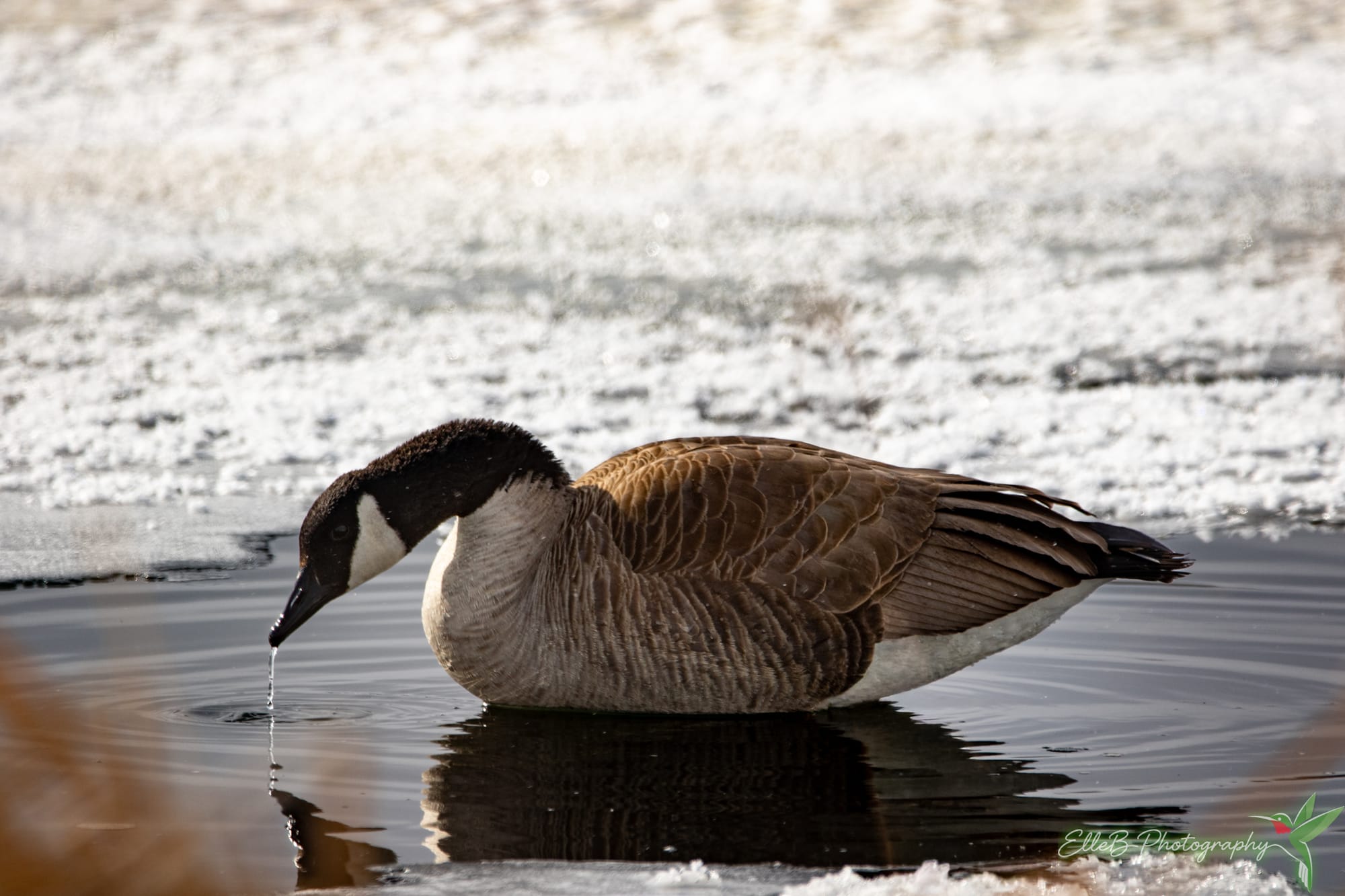
Cedar Waxwing, Canada Goose
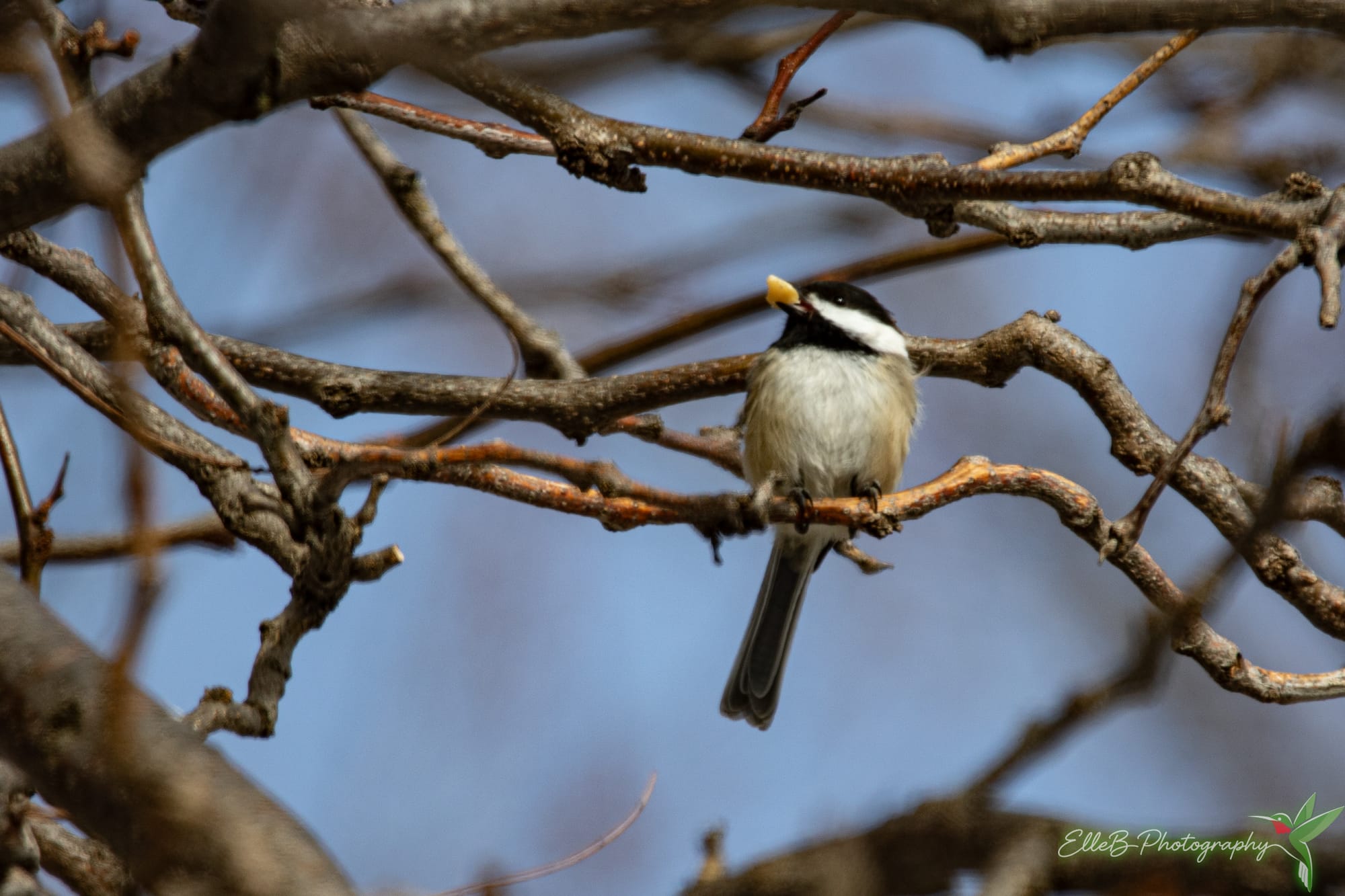
The Black-capped Chickadee is a small, energetic songbird easily recognized by its black cap and bib, white cheeks, and soft gray body. These curious birds are common residents of forests, parks, and backyard feeders across much of northern North America. Chickadees are known for their friendly and inquisitive nature, often approaching closely as they search for seeds, insects, and berries.
Introduced to the continent in the late 1800s, European Starlings quickly spread and are now one of the most abundant bird species in the United States. In breeding season, adults appear glossy black with an iridescent sheen of purple and green, while in fall and winter their plumage is speckled with pale spots.
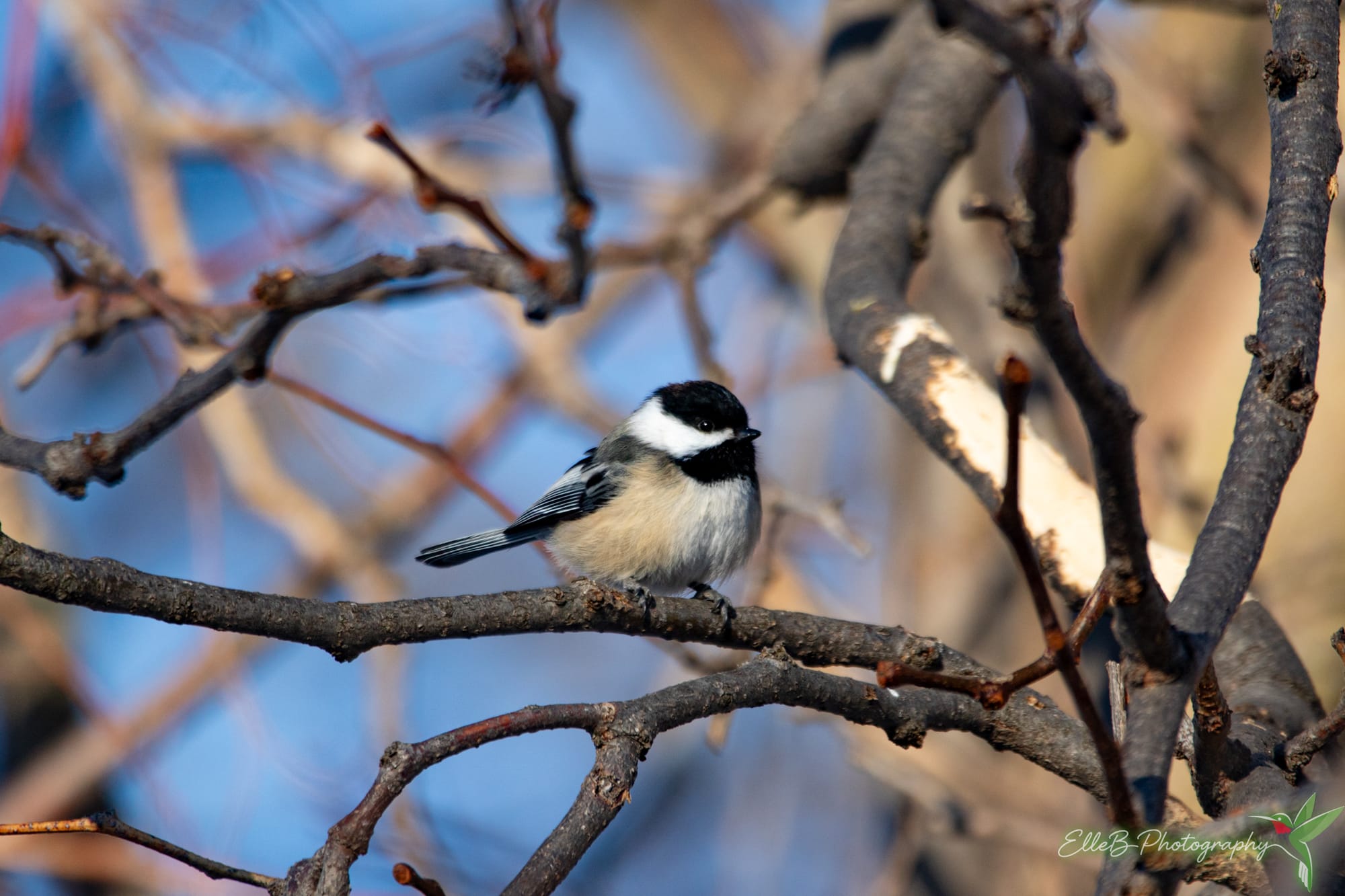
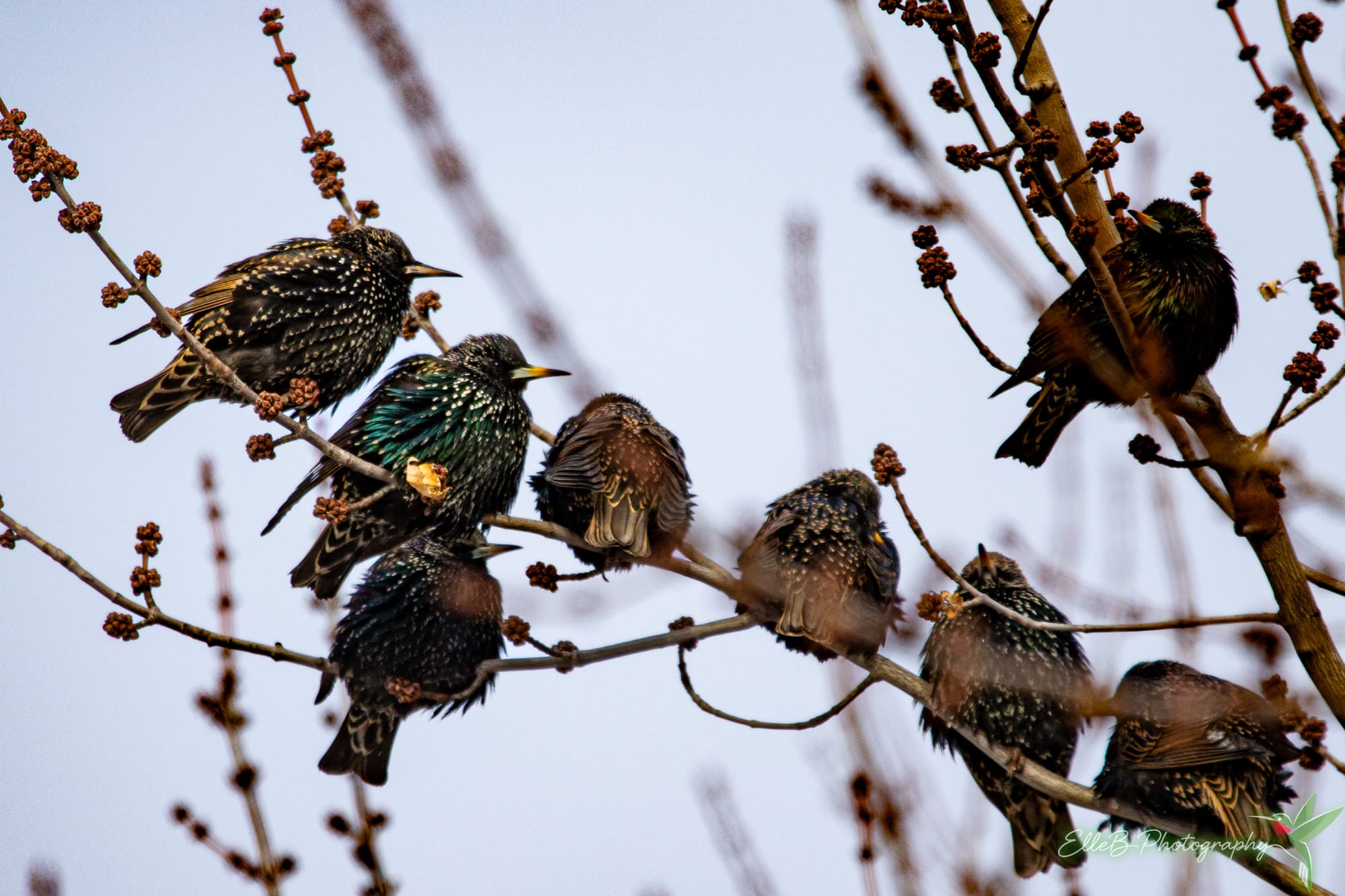
Black-capped Chickadee, European Starling
The Eurasian Collared-Dove is a pale gray-beige dove easily recognized by the thin black “collar” marking on the back of its neck. Originally native to Europe and Asia, this species has rapidly expanded its range and is now a common sight across much of North America. Their calm demeanor and repetitive three-part cooing call make them a familiar presence in many neighborhoods.
The Rough-legged Hawk is a striking raptor most often seen in open fields and prairies during the winter months. Named for the dense feathers that cover its legs all the way down to the toes, this hawk is specially adapted for colder climates. Rough-legged Hawks breed in the Arctic tundra and travel south in winter, where they hunt over grasslands and agricultural fields.
I hope you enjoyed this latest installment of my 150 bird challenge! I saw some very familiar and common species, but also added a new lifer, and made a new challenge for myself. Did you see a bird you didn't know about, or see one that's already a favorite? Let me know in the comment section below. And if you haven't already, make sure to check out my shop for a beautiful selection of wild life prints you can add to your home or office, or even give as a gift.
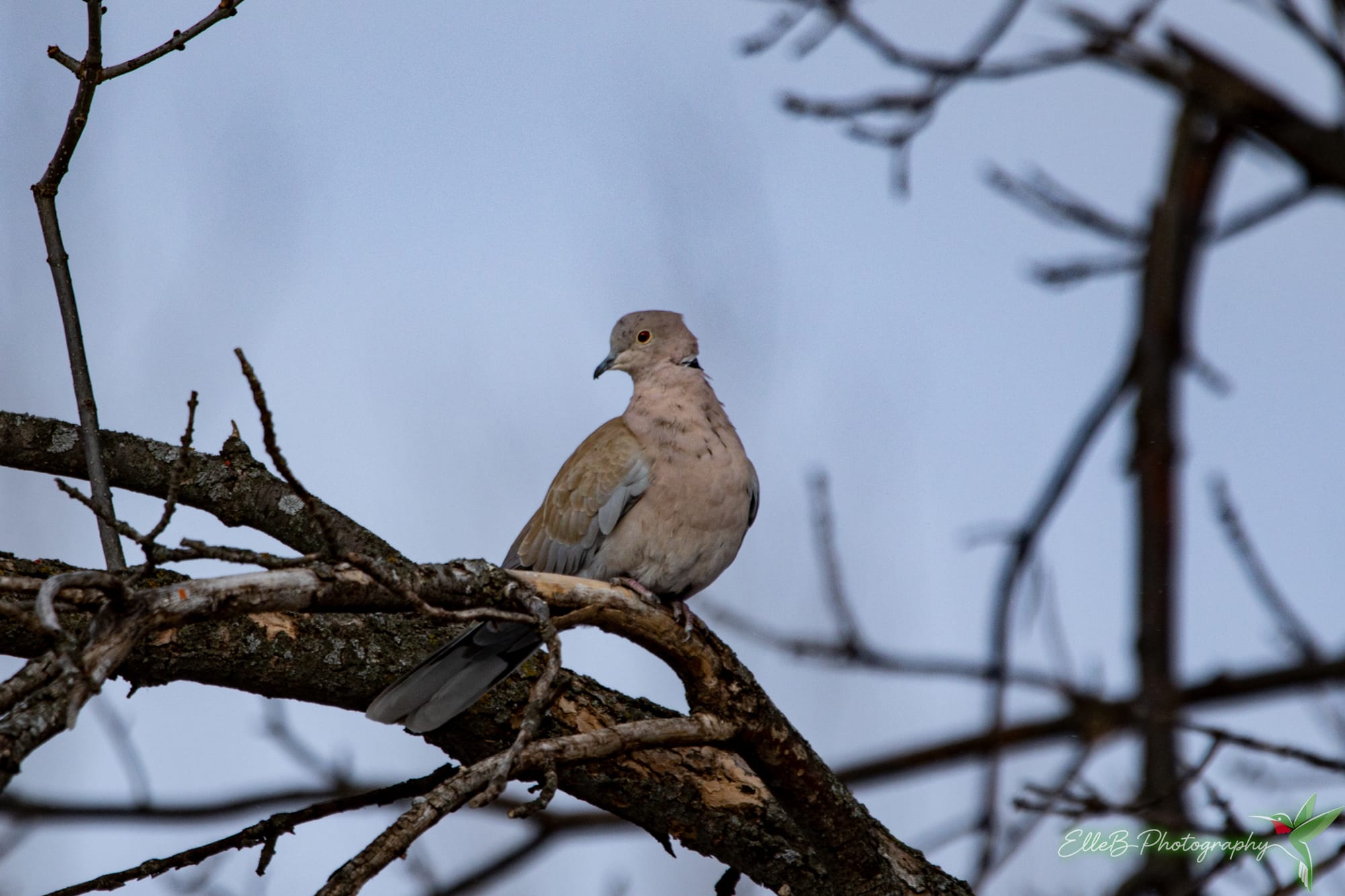
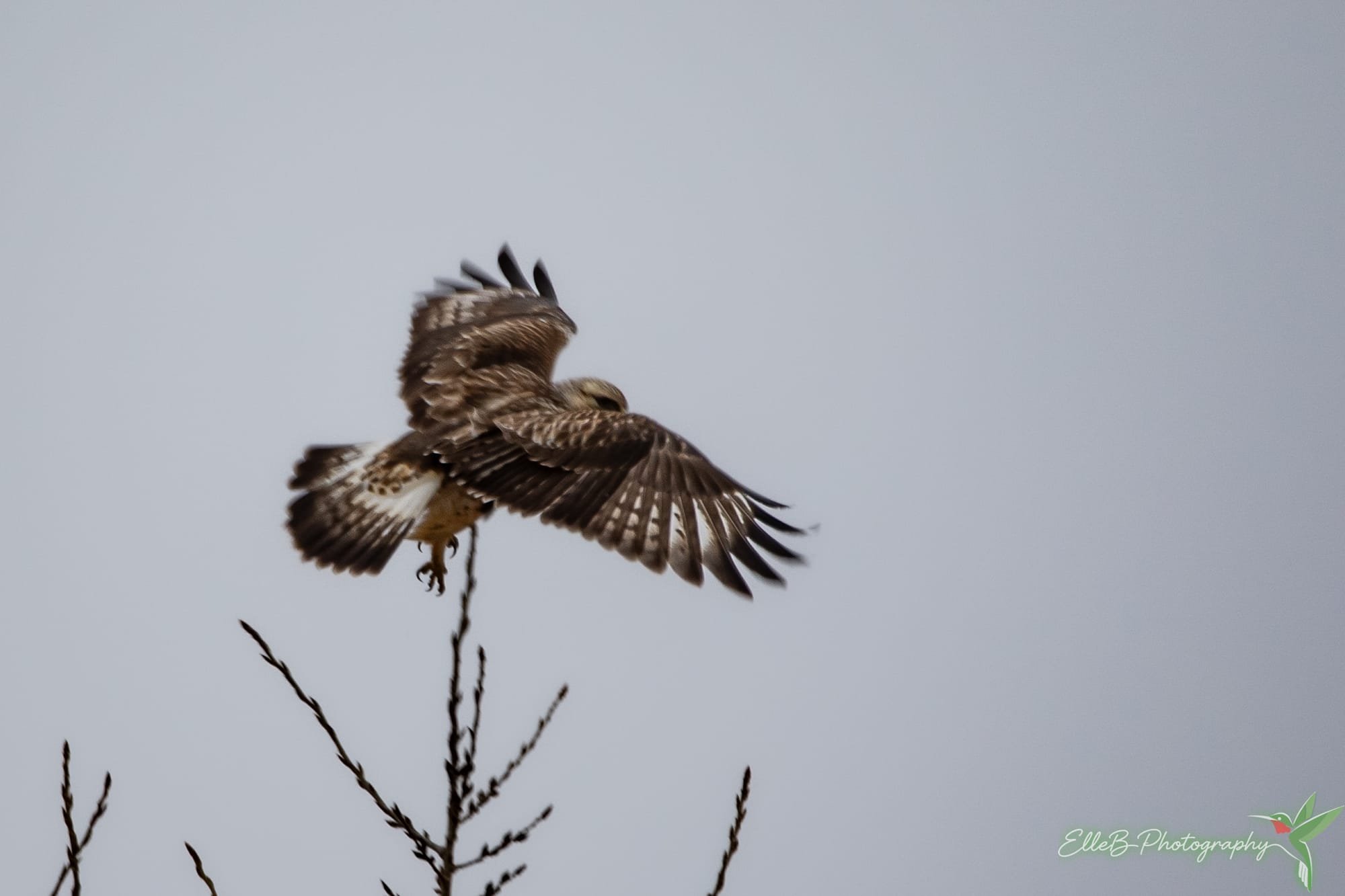
Eurasian-collared Dove, Rough-legged Hawk