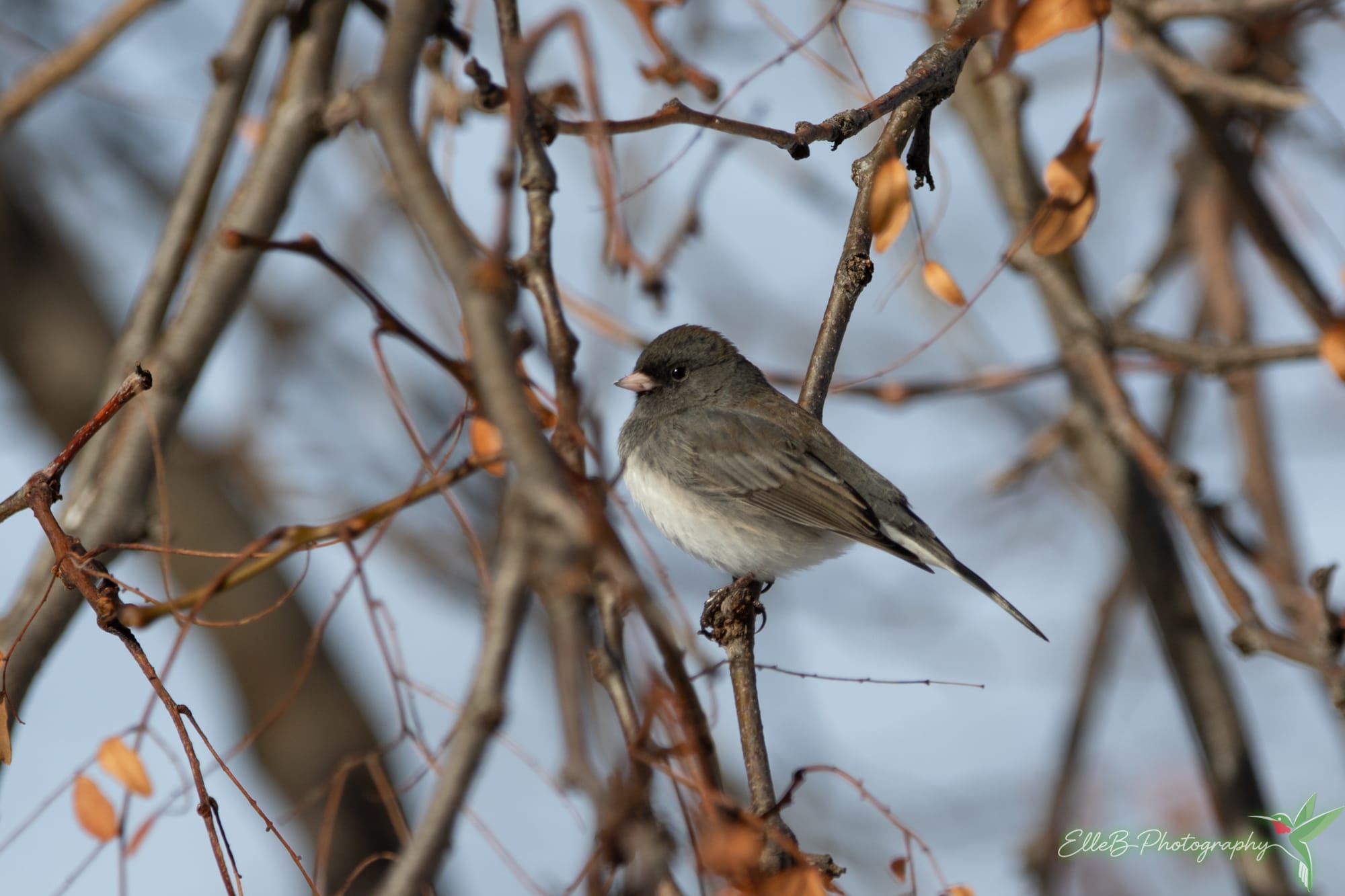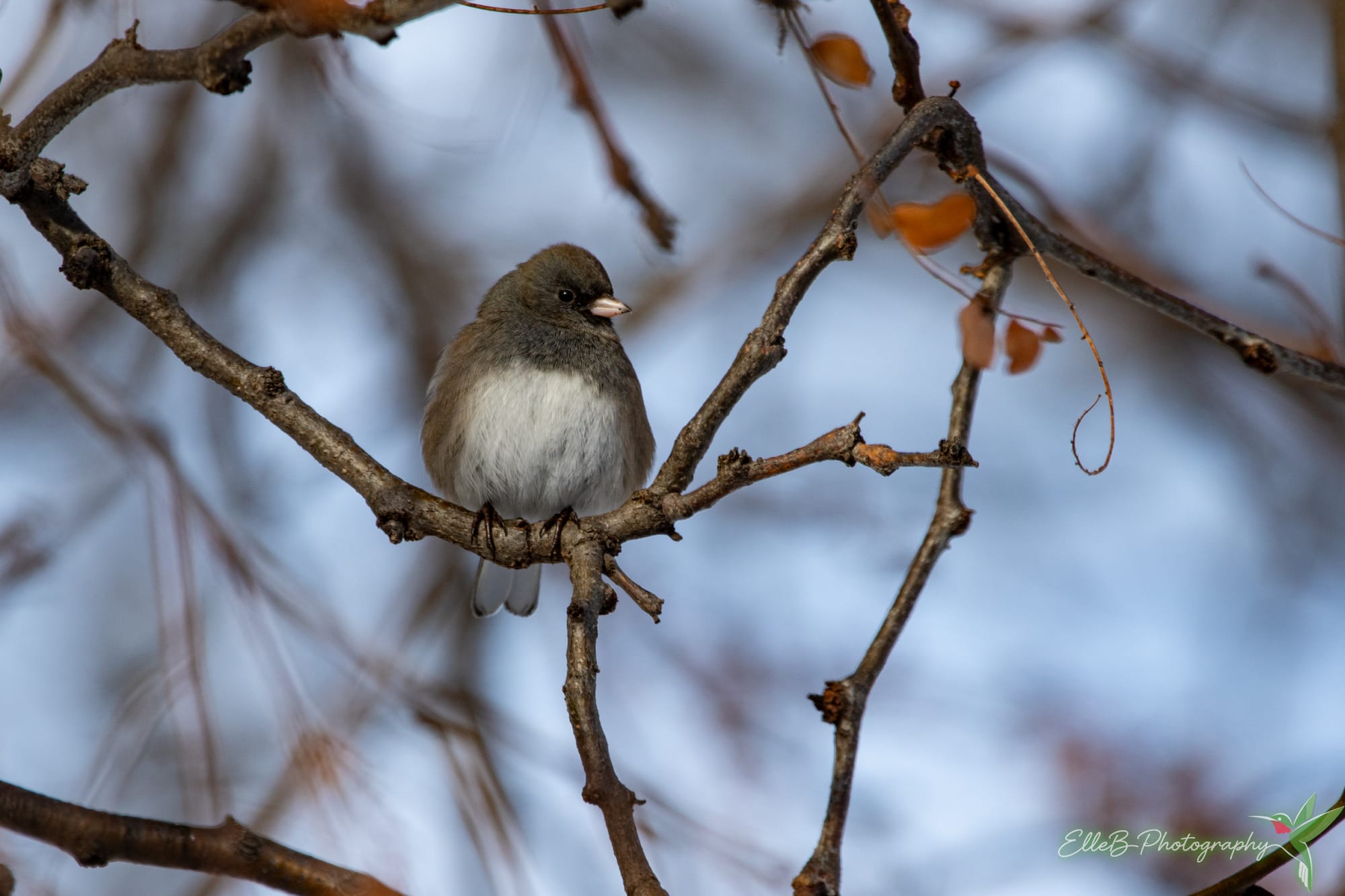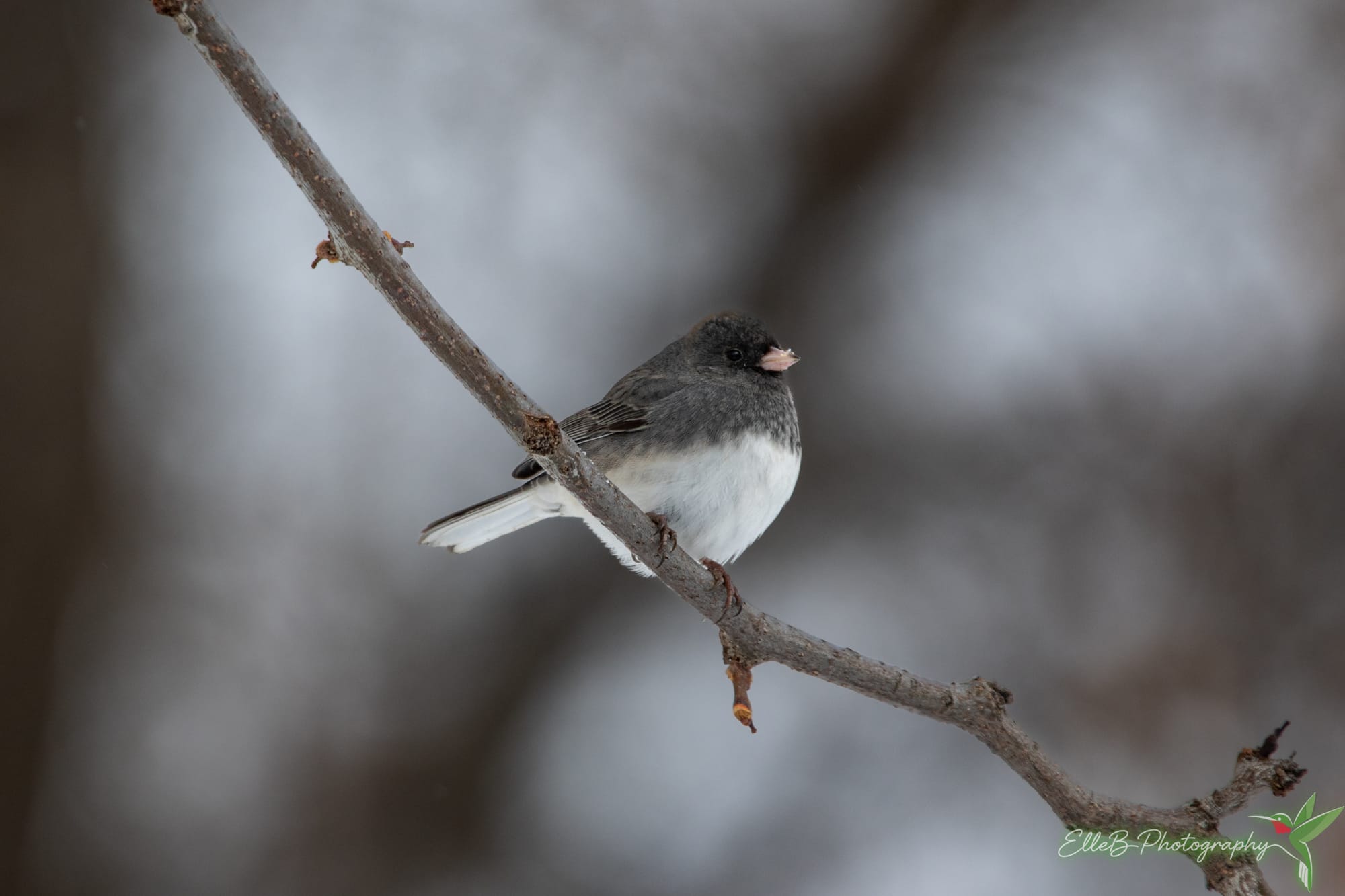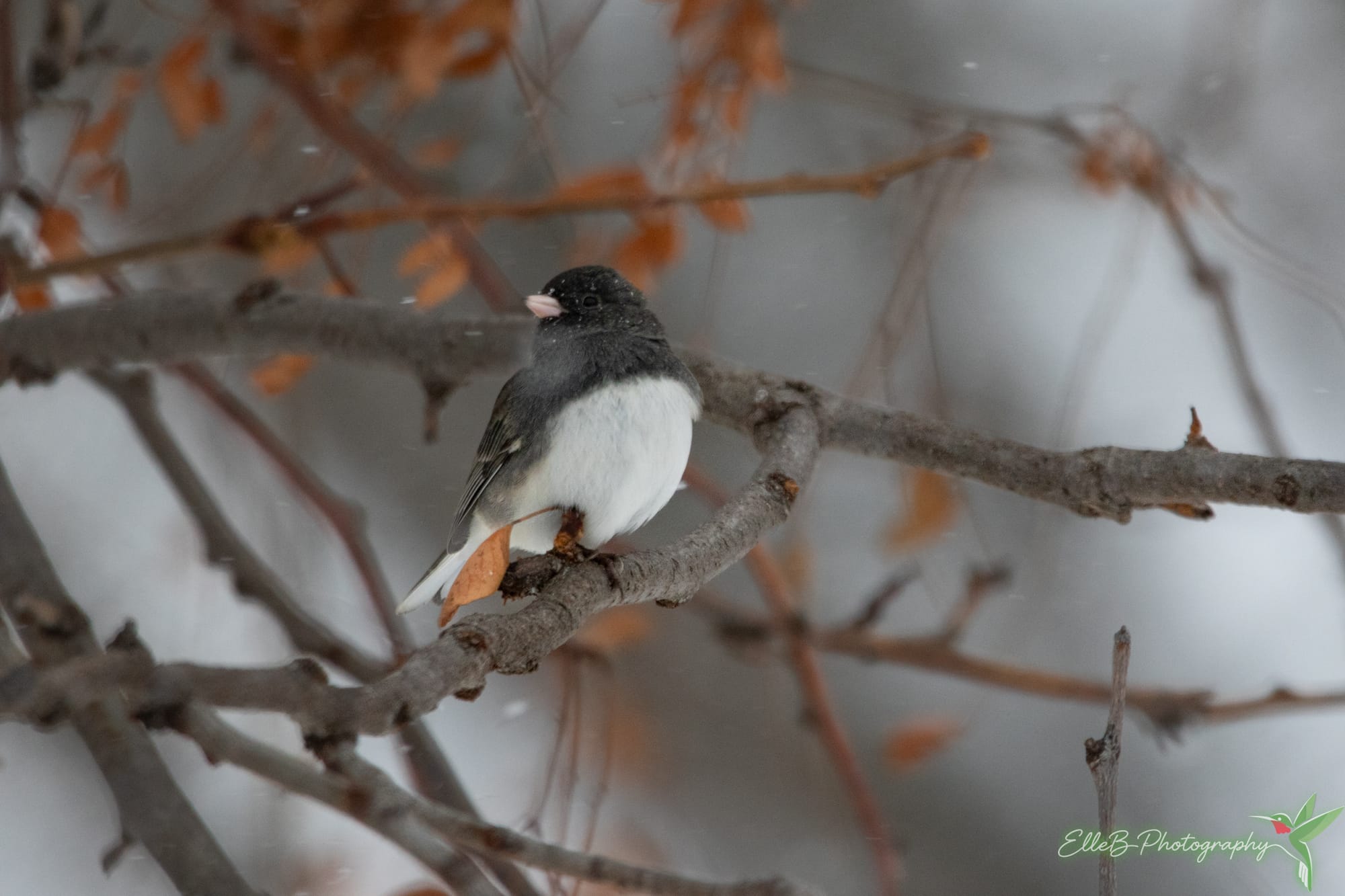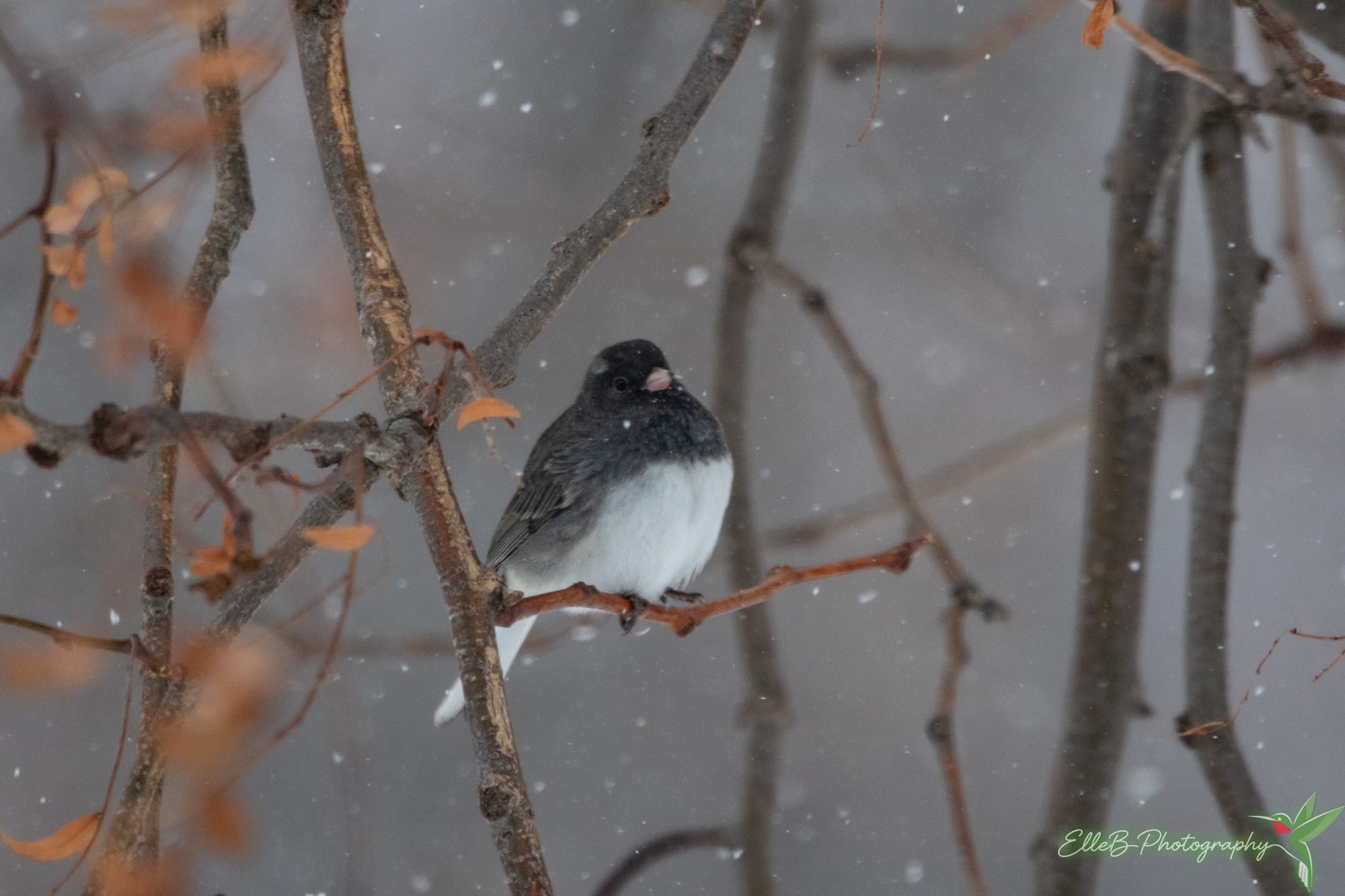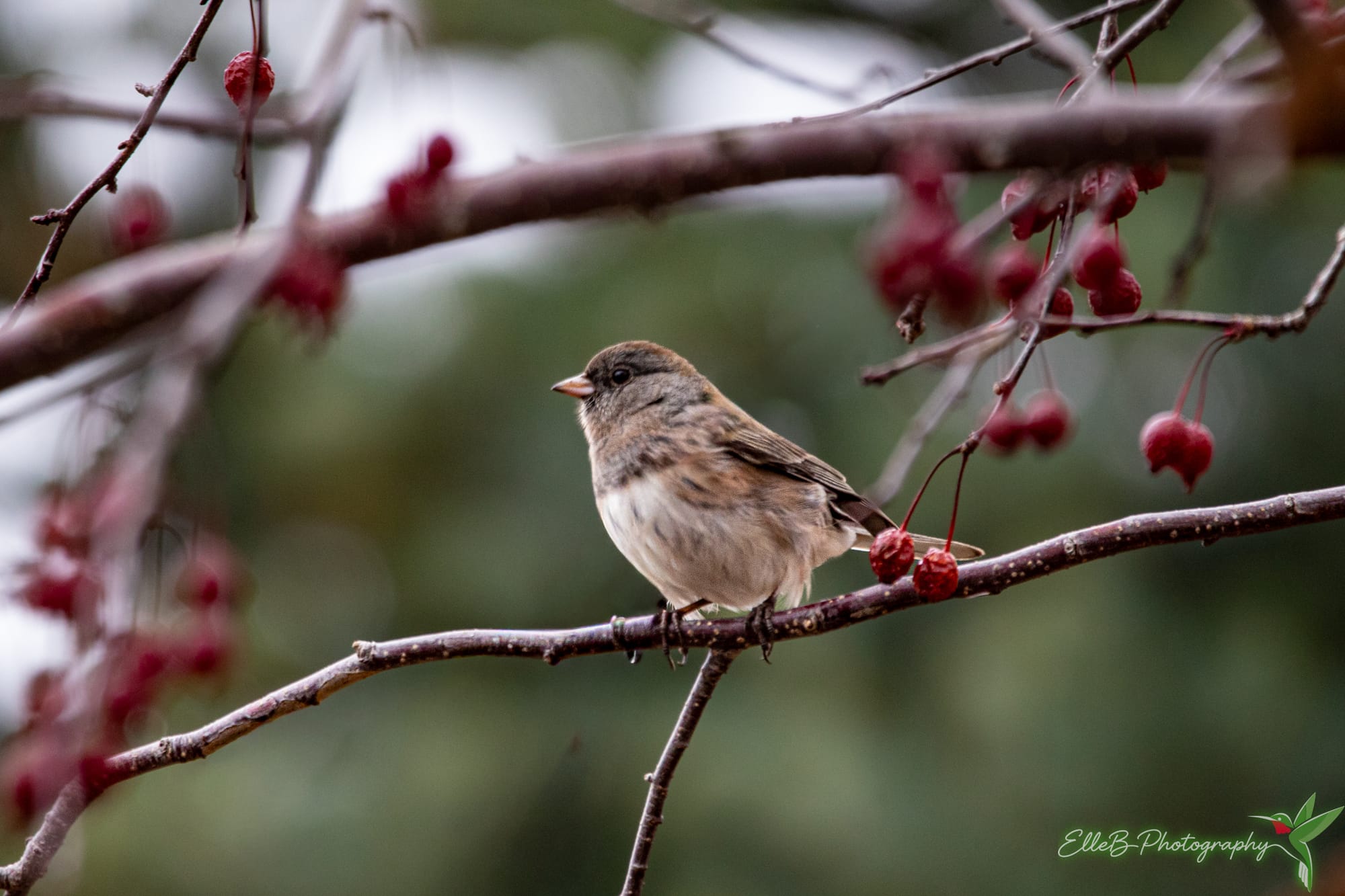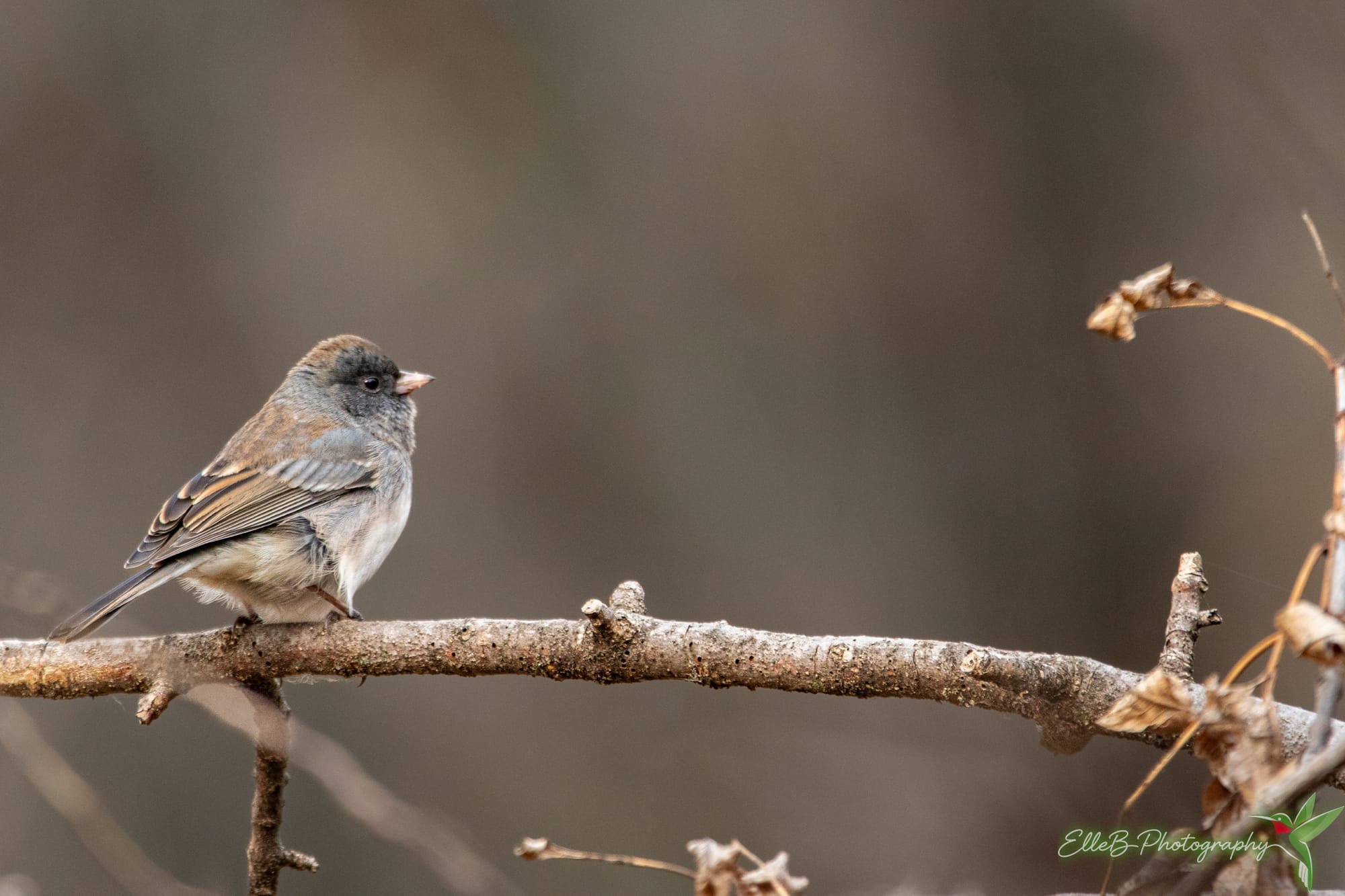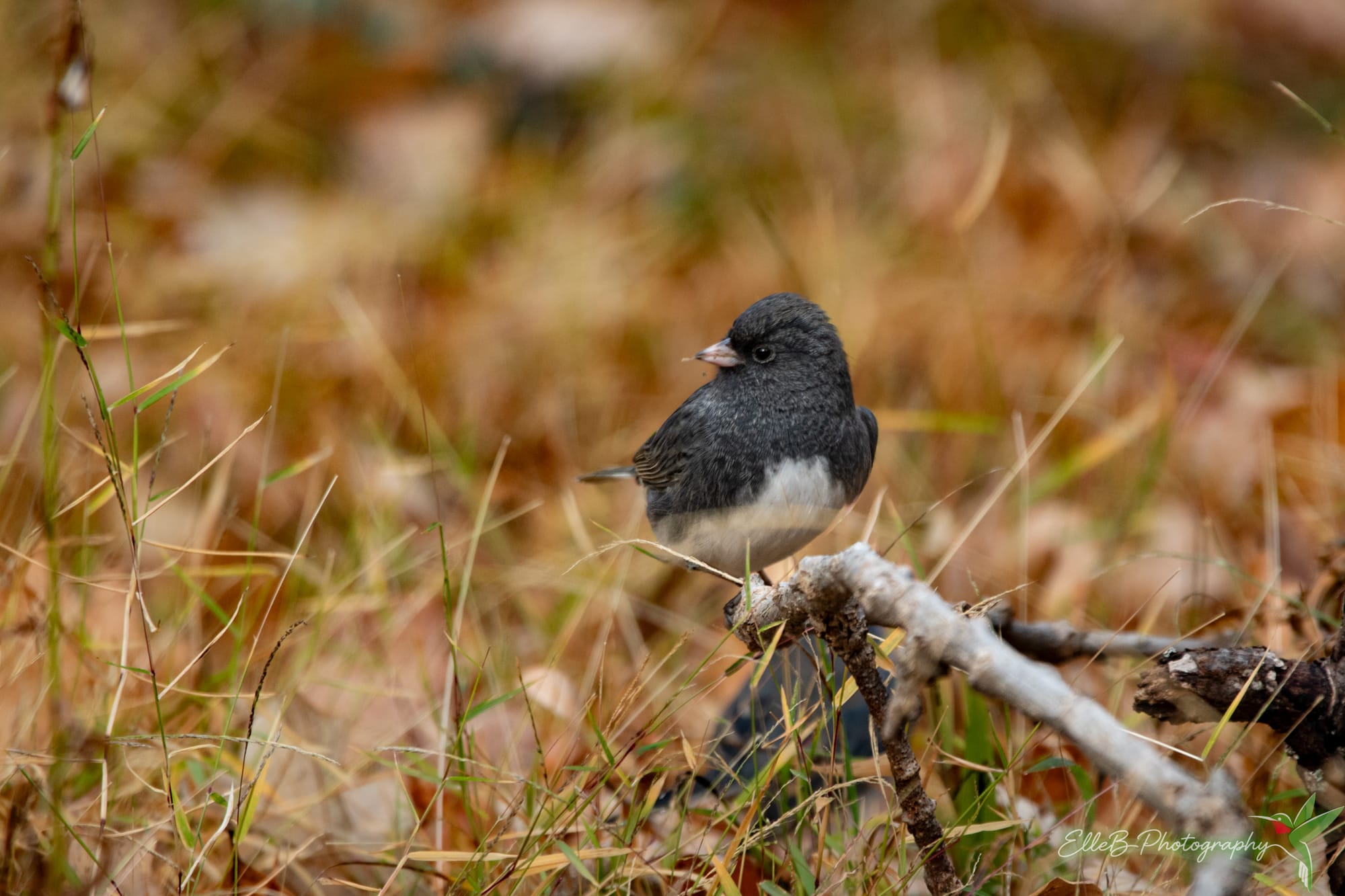
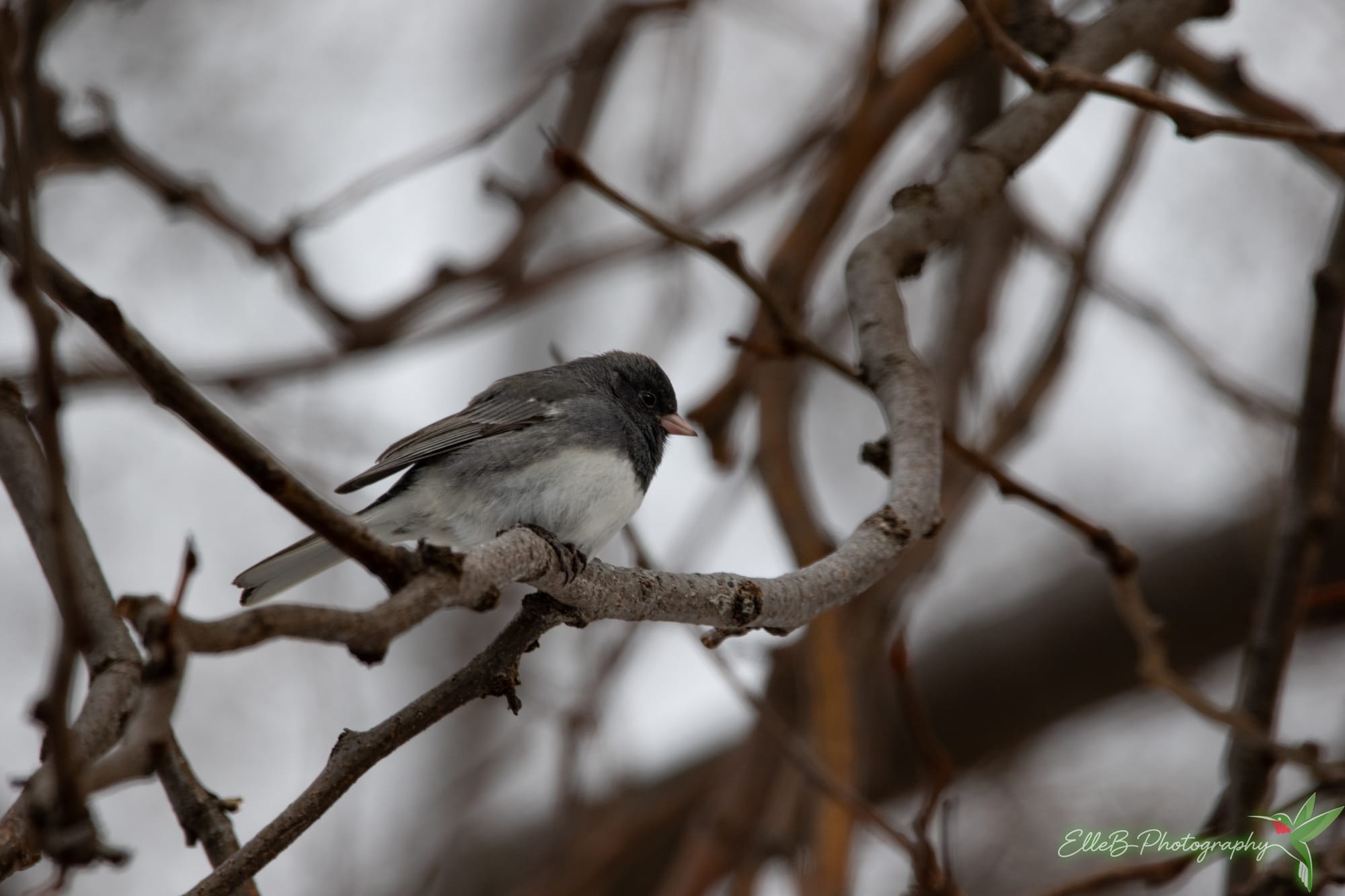
I thought I would take some time to talk about juncos, as soon these beautiful little snow birds will be leaving until the next winter season. The Dark-eyed Junco is an extremely widespread and familiar type of sparrow that occupies a variety of habitats across the US, with locations changing by the season. During the breeding season, juncos are most commonly found in coniferous and mixed forests, especially in northern regions and higher elevations where dense tree cover provides shelter and nesting sites. When winter approaches, many juncos move southward and shift into more open habitats such as fields, parks, and backyards.
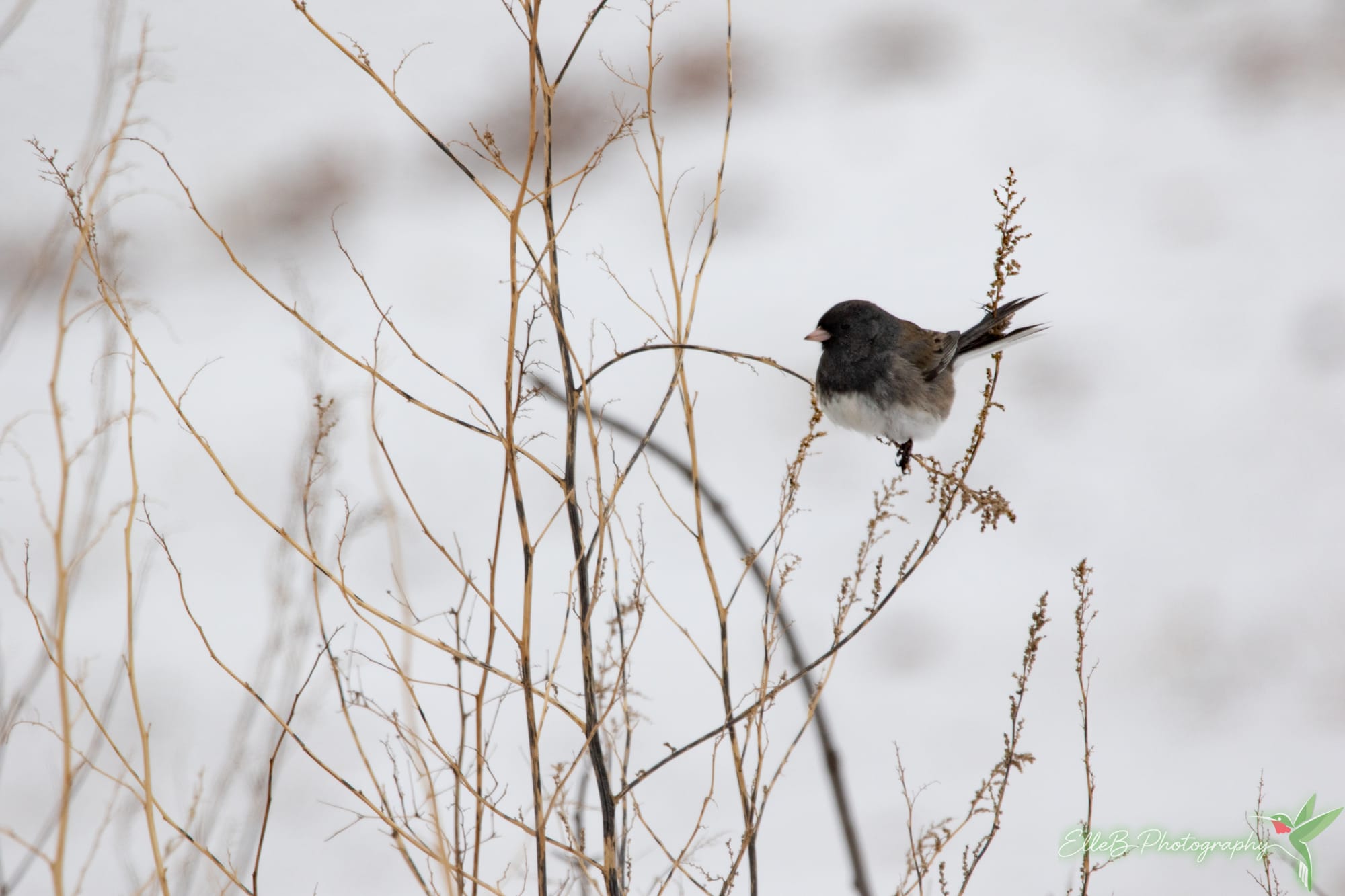
Primarily a ground feeding bird, juncos will scratch and forage in the snow underneath feeders looking for fallen seeds. Warmer months will shift feeding activity to include insects and other soft invertebrates, preferring shrubs and the ground for foraging. The Dark-eyed Junco will also take advantage of grasses and other dried plants, clinging to stems and branches to eat the seeds. This is one of the reasons leaving seed heads and dried stems in your garden can be so beneficial, juncos and other small birds rely heavily on these natural food sources when insects are scarce.
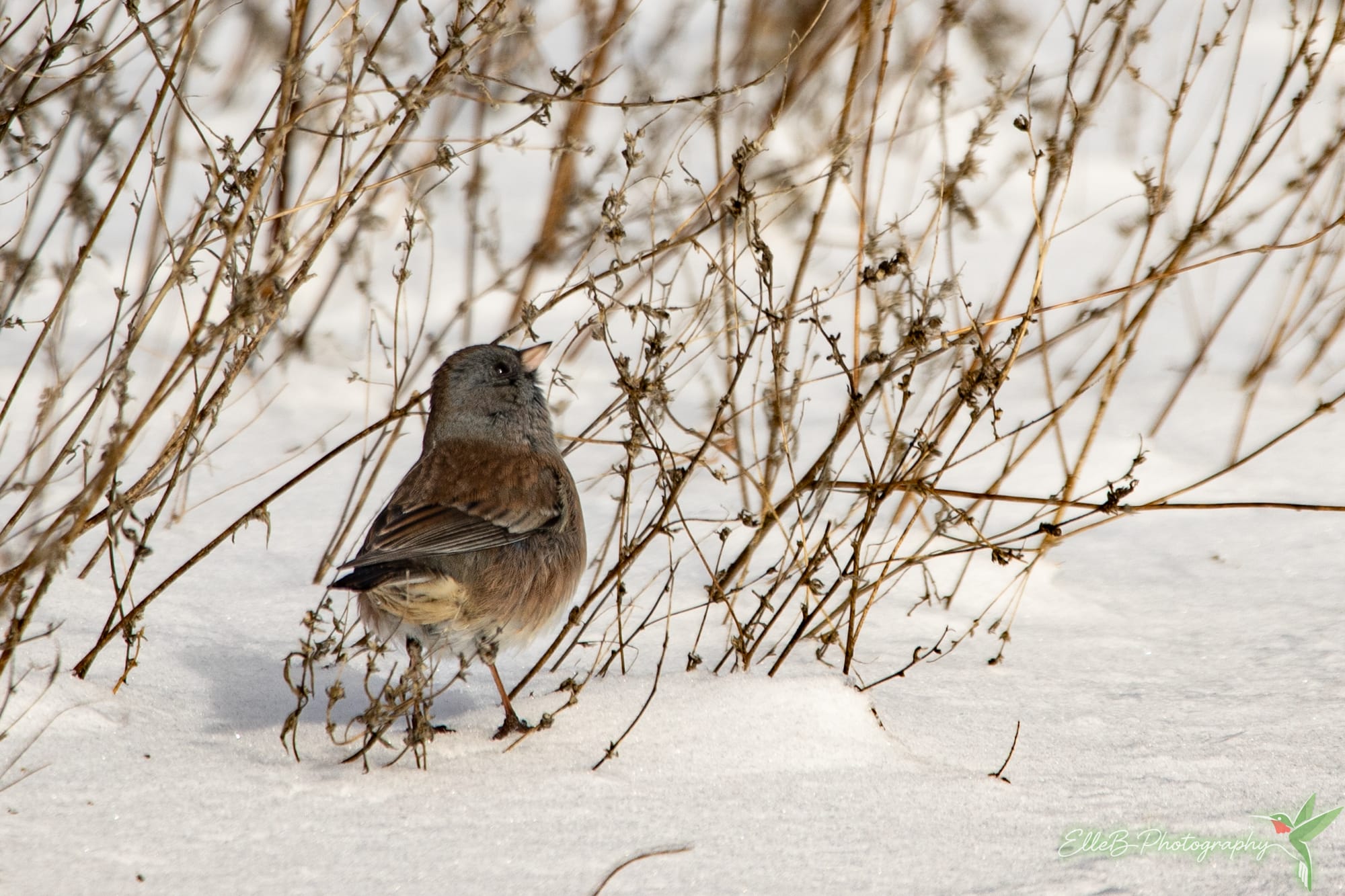
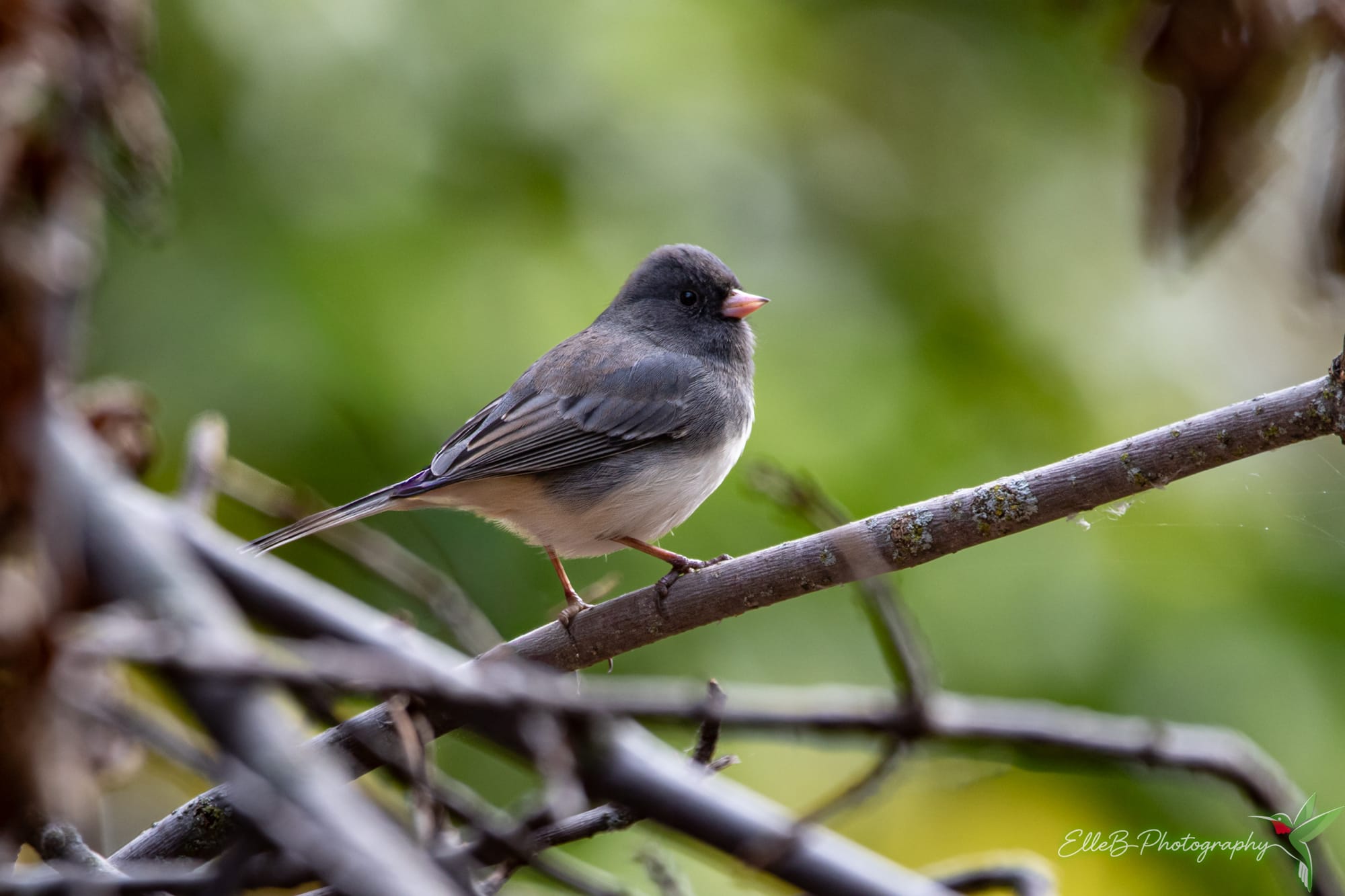
Depending on where you live in the United States, your Dark-eyed Junco might just look a little bit different. With the distinct differences, it's important to note that they are all considered the same species. Here in Iowa, we have what is called the Slate-colored Junco, which has a smooth grey body and a bright white belly, giving them a sleek and clean look. Out west is the Oregon Junco, with a dark black hood, brown colored body and warm toned buffy sides. The Pink-sided Junco resides in areas of the Rockies and has softer grey tones on the body with a noticeable wash of pink down the sides. More southwest and you have the Grey-headed Junco, with a pale grey body and a rusty shade down their back.
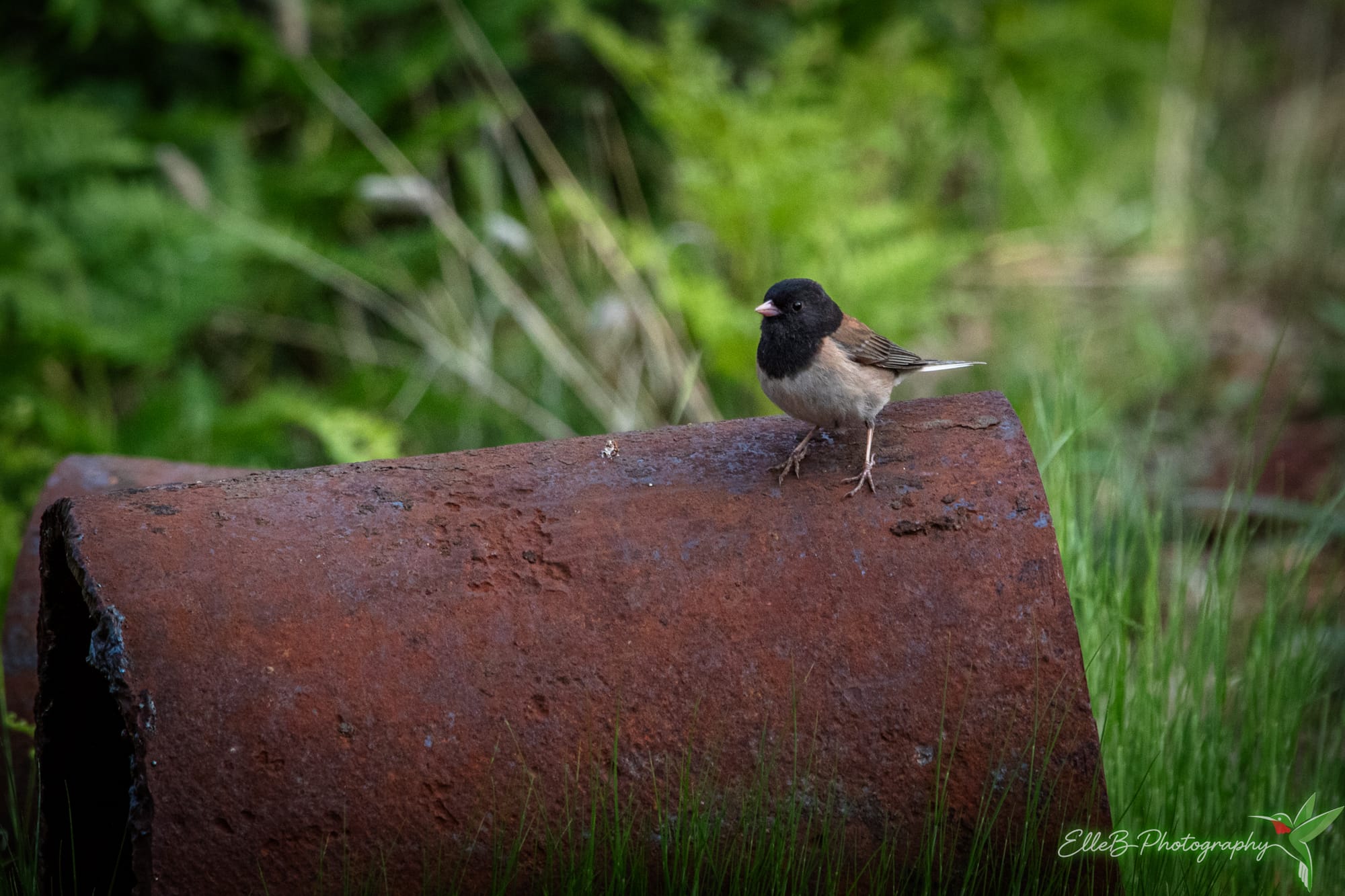
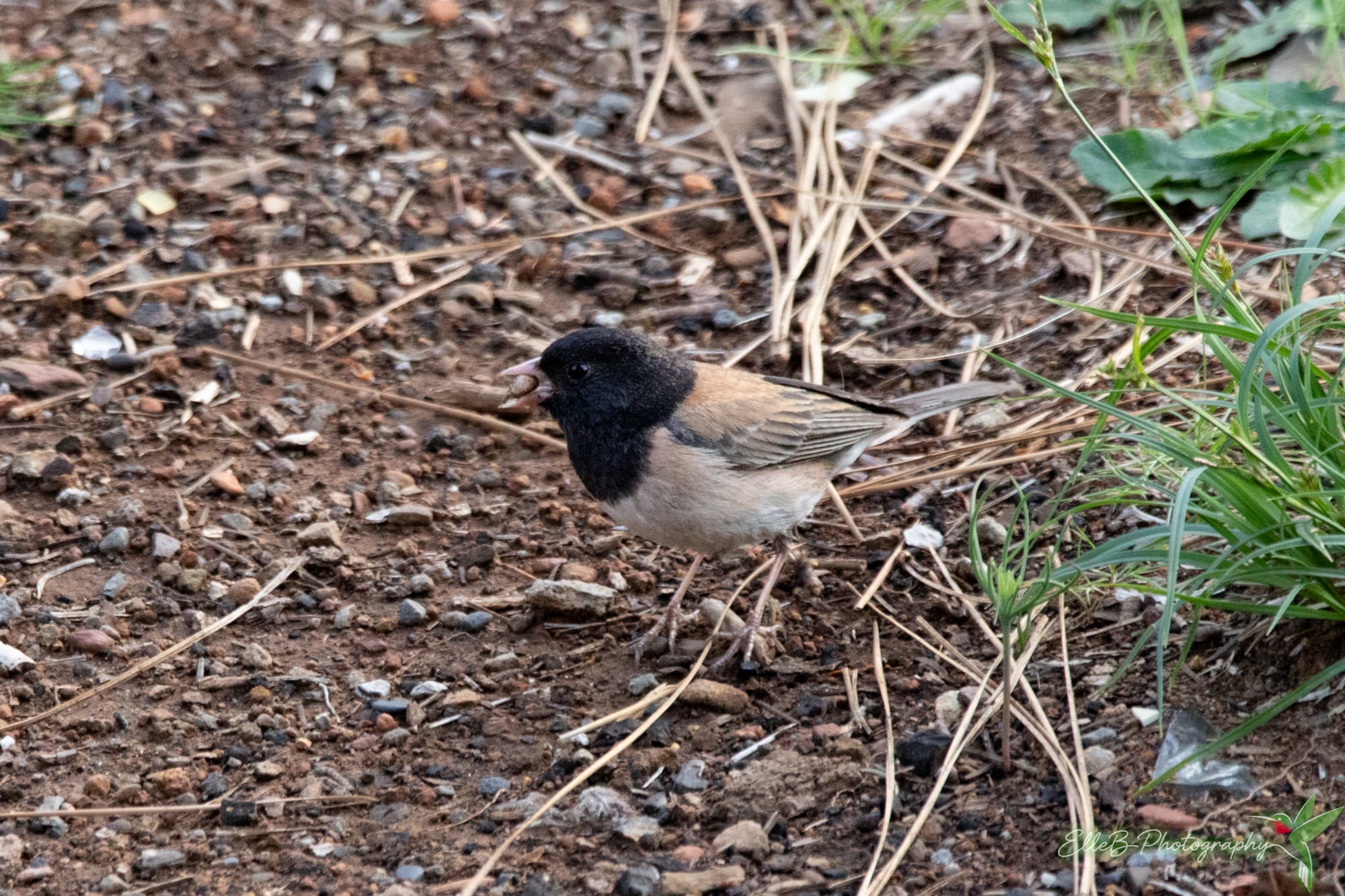
Oregon Junco
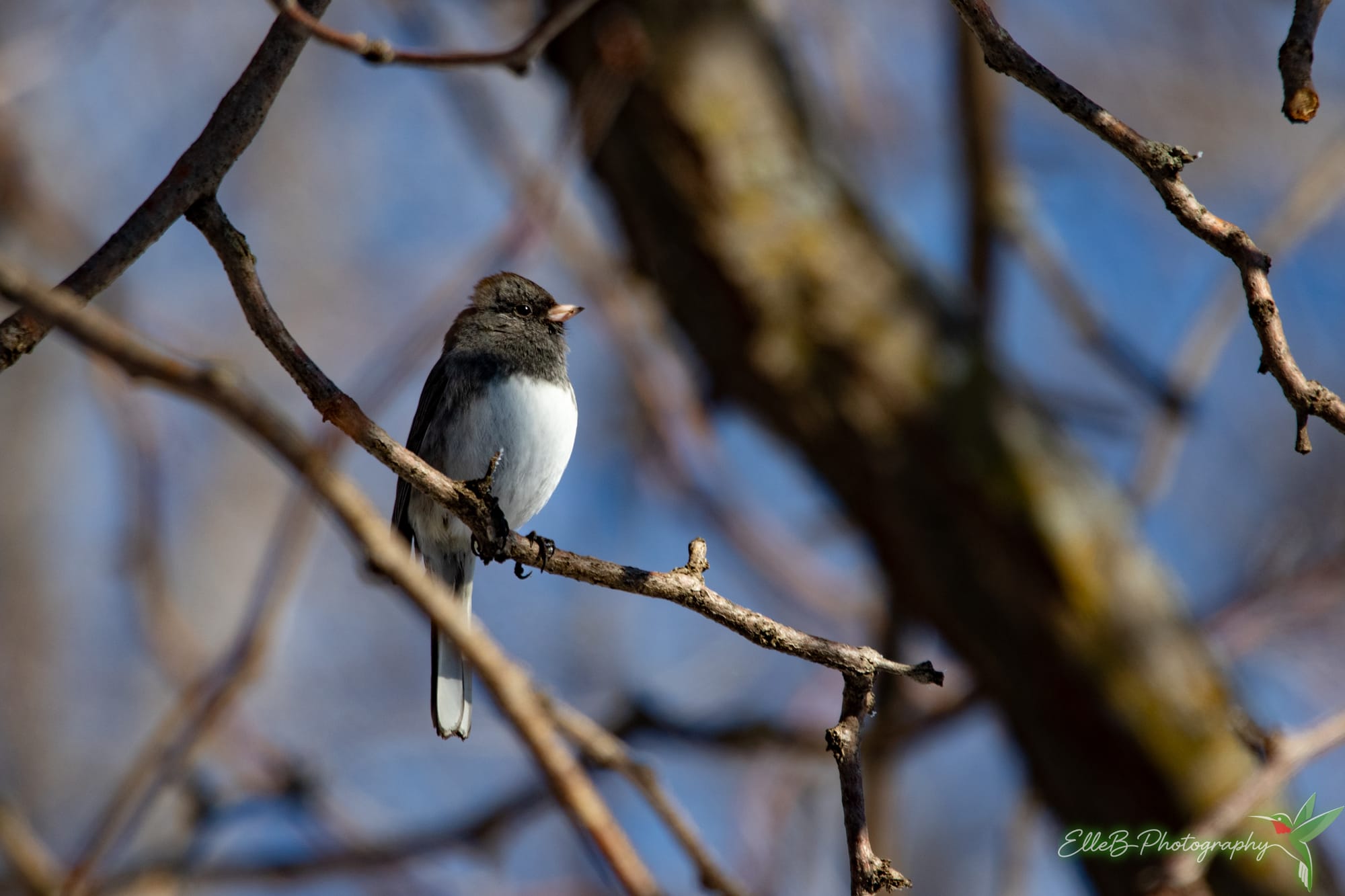
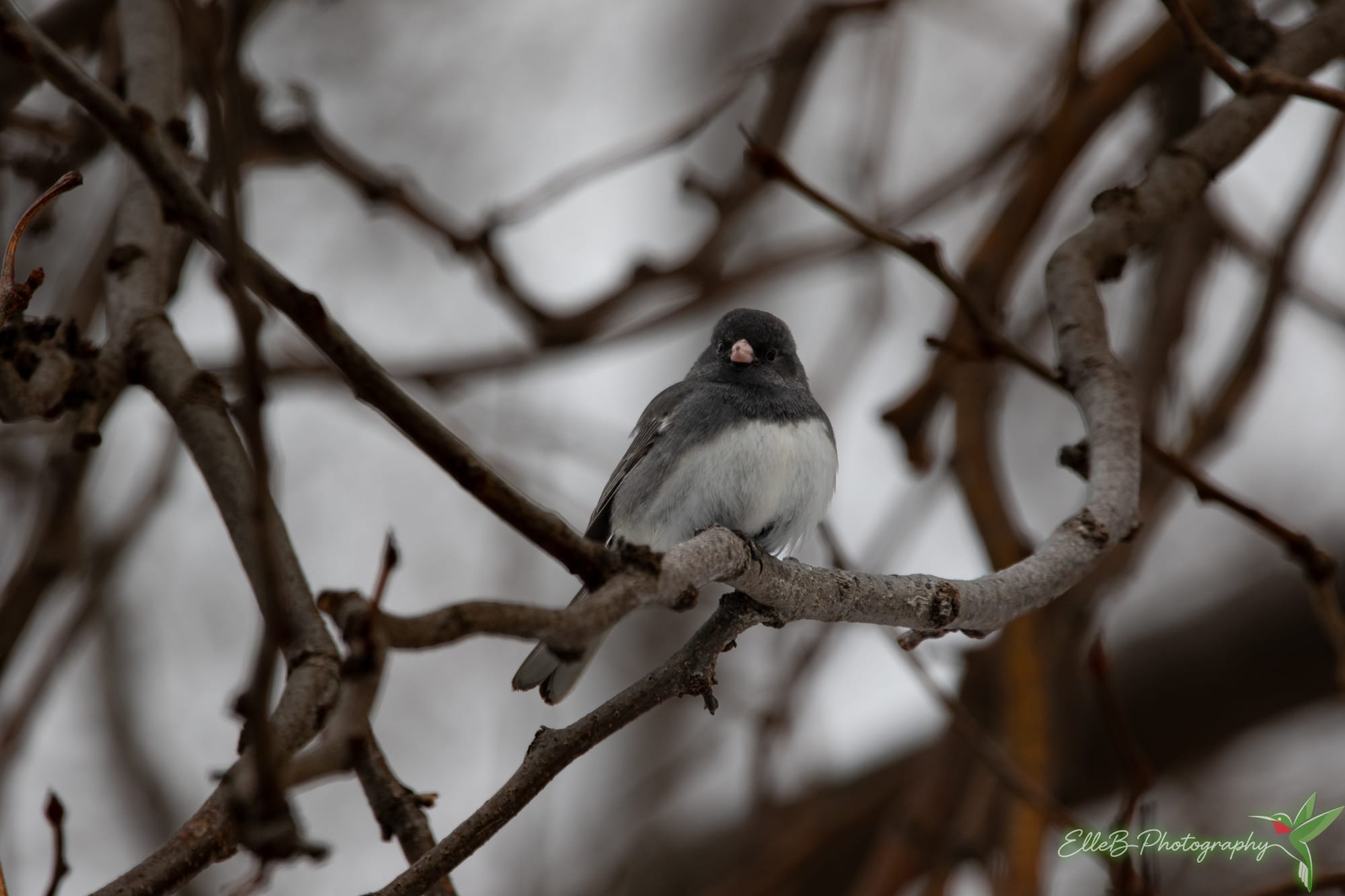
Slate-colored Junco
While simple and softly colored, the Dark-eyed Junco is not to be overlooked. A true bird of winter, they feel perfectly at home in a season many others avoid, serving as a quiet reminder that even in the coldest months, life is still moving and beautiful.