Spring is upon us, and with spring comes migration. One of my favorite migratory visitors are orioles. In my area there are only two species that pass through and nest here, the Baltimore Oriole, and the Orchard Oriole. These two birds have very distinct differences in their appearance, but happen to enjoy the same foods. So if you're hoping to attract either one of those, or perhaps a different species if you don't reside in the Midwest, just keep reading.
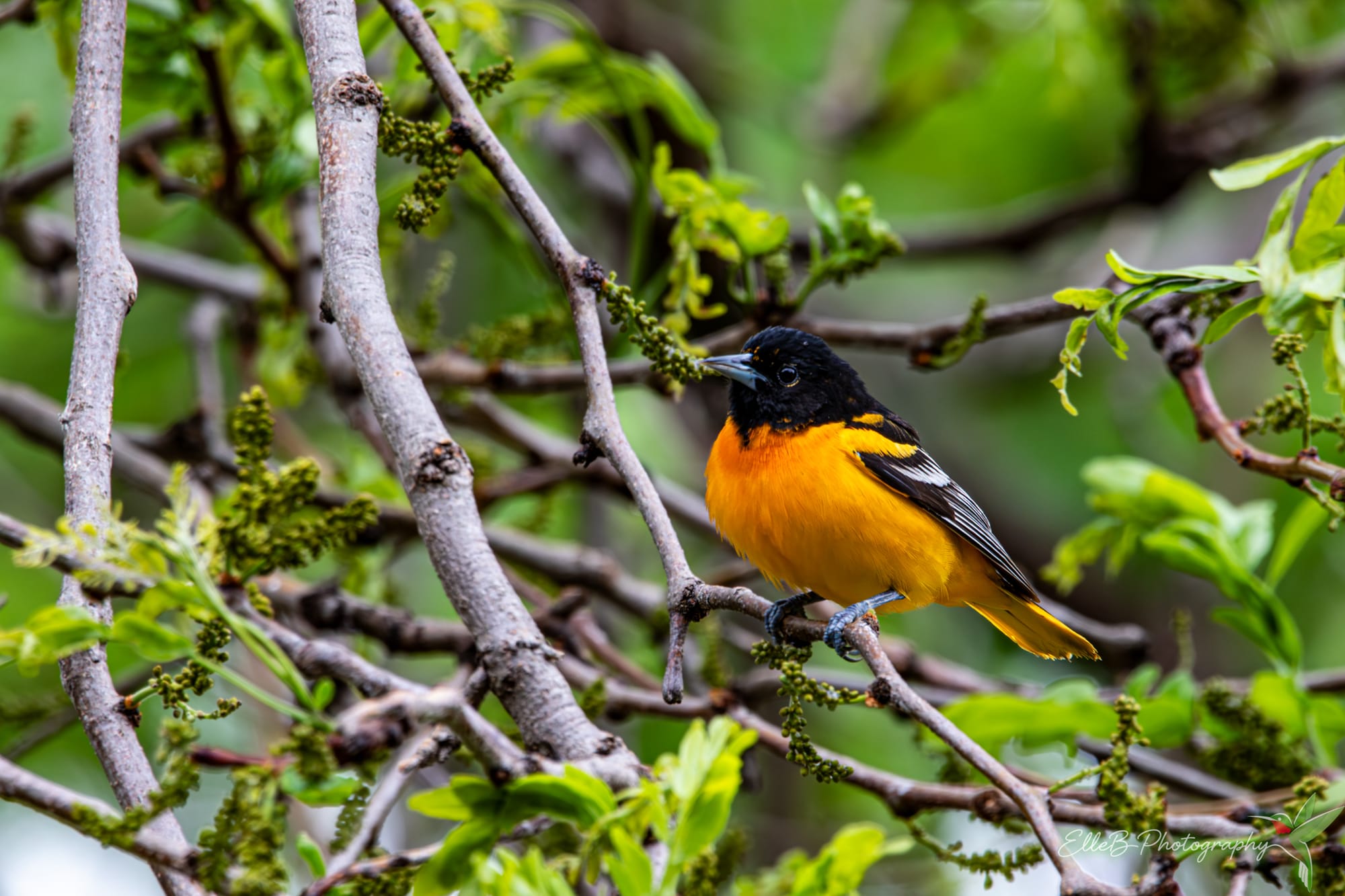
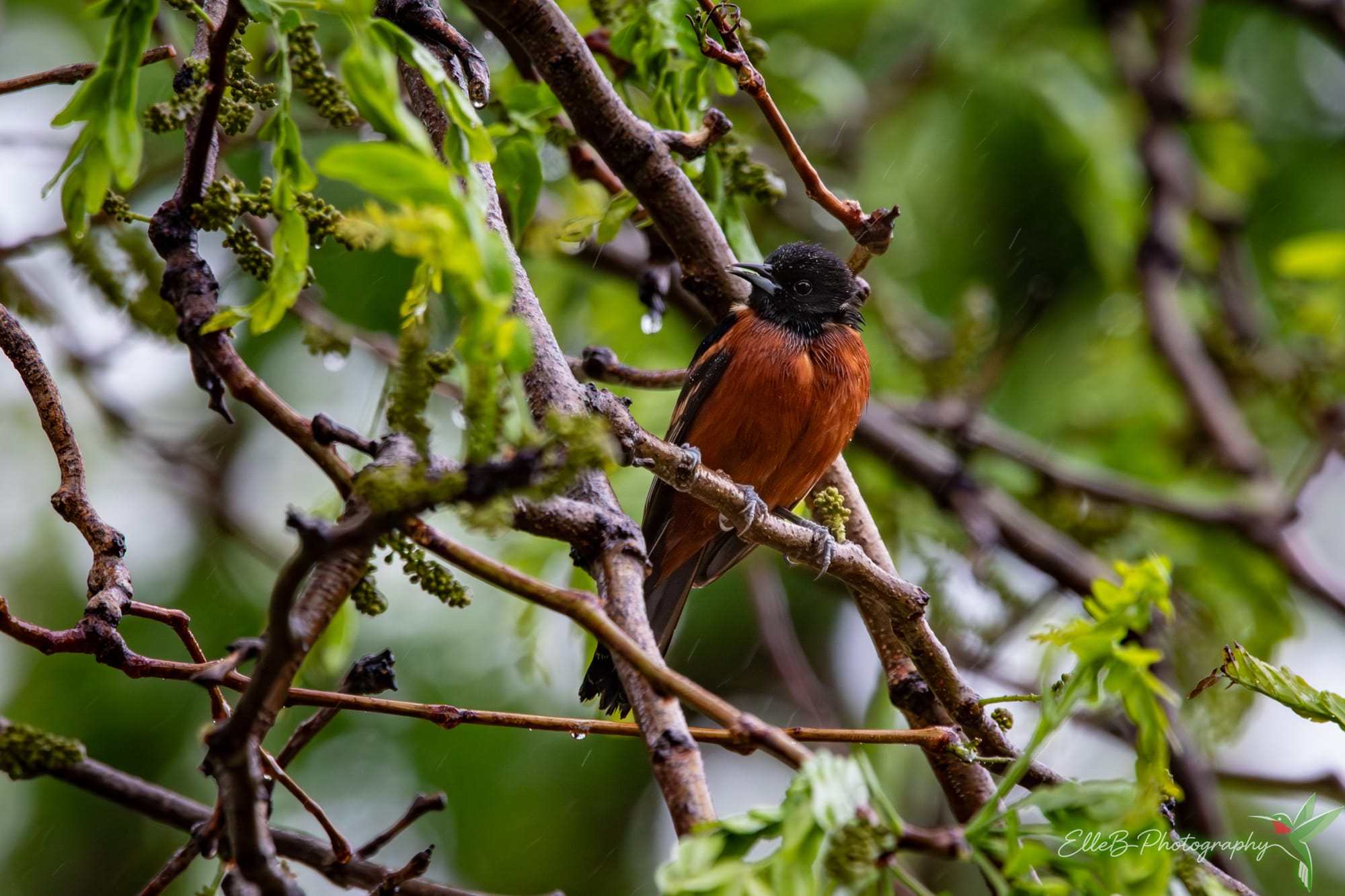
Baltimore Oriole, Orchard Oriole
I currently live in Northwest Iowa, and I typically expect my first orioles around the first week of May. However, arrival timing varies widely across the United States. In southern states, orioles may appear as early as March, while northern regions might not see them until mid-May.
In early spring, many insects aren't available for feeding and after flying all the way from Central America, these birds need to refuel and begin staking their claim for territory and nesting sites. Spring can be very unpredictable here in NW Iowa, and temperatures can quickly plummet and having a reliable source of a high sugar or high fat food can make all the difference.
I will not claim to be an expert, but I have been feeding orioles for two consecutive years now and in those two years the number of birds have increased year to year. I've learned a lot about what they seem to like, at least in my area and I think you can utilize my success in to creating your own.
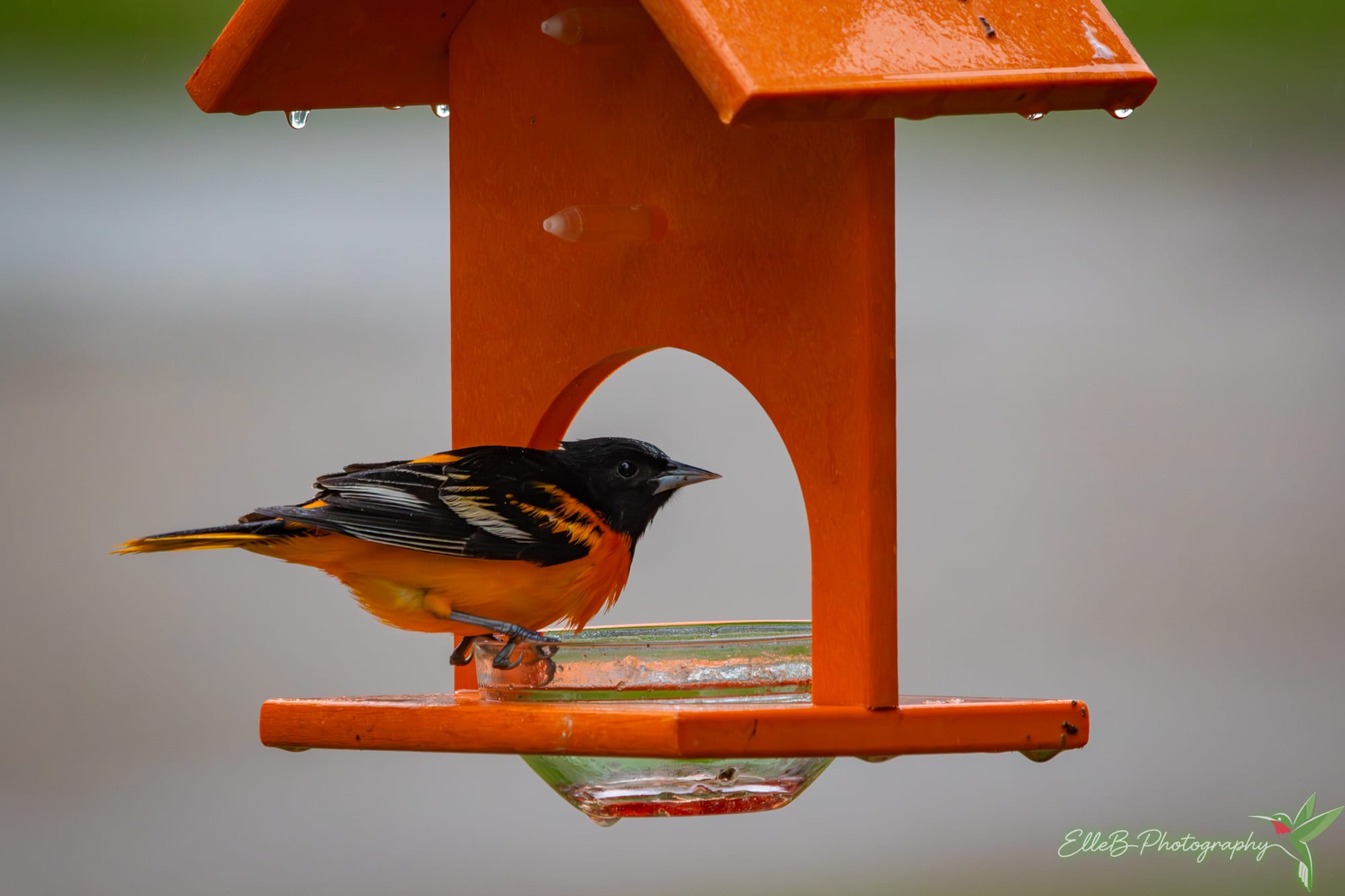
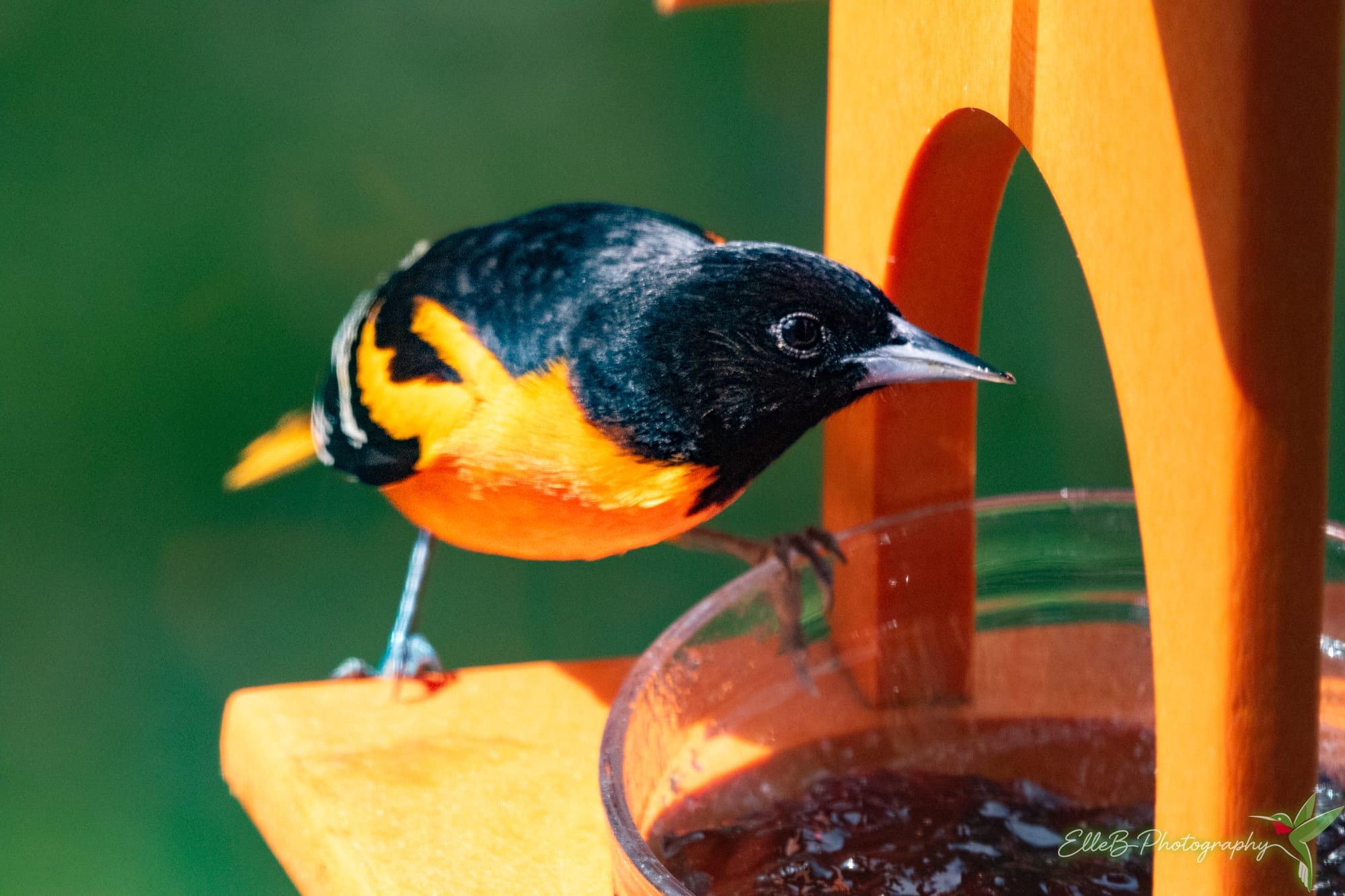
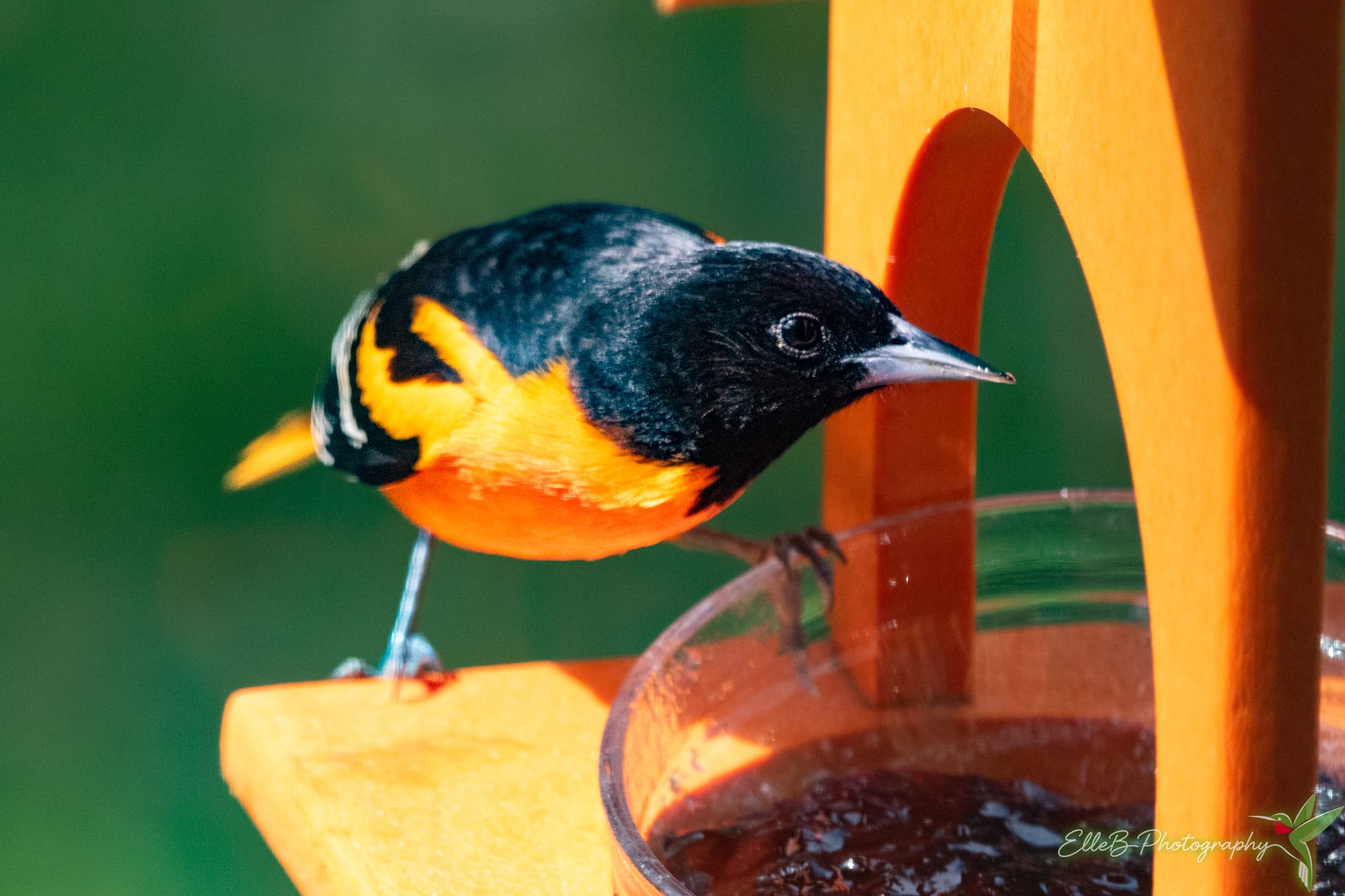
Baltimore Oriole
Orioles LOVE grape jelly! There is some debate about feeding orioles jelly, and while it isn’t a natural food source, there’s no strong evidence that moderate, supplemental feeding causes harm when birds still have access to natural foods. As stated, I live in NW Iowa, and even in early May temperatures can swing and still get cold here, which in turn keeps the insect population from thriving earlier on when these birds are looking for food. Aside from eating insects, orioles do love eating fresh fruit such as berries and other whole fruits. I like to offer orange slices along side of jelly, and they love them just as much. If you want to be prepared, set feeders out 1-2 weeks before the expected arrival of the migration, as early scouts will find those feeders and will attract them that much faster to your yard.
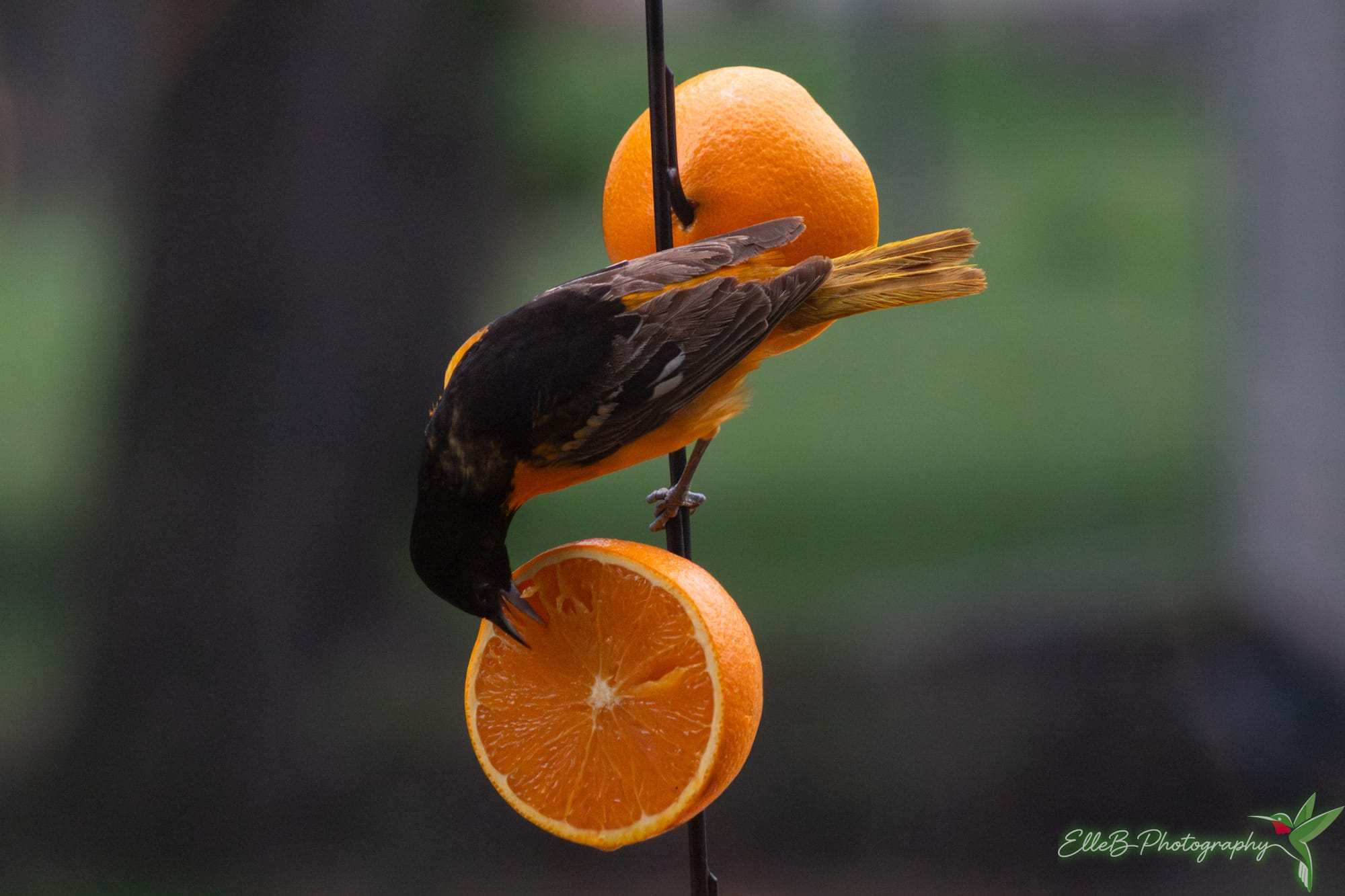
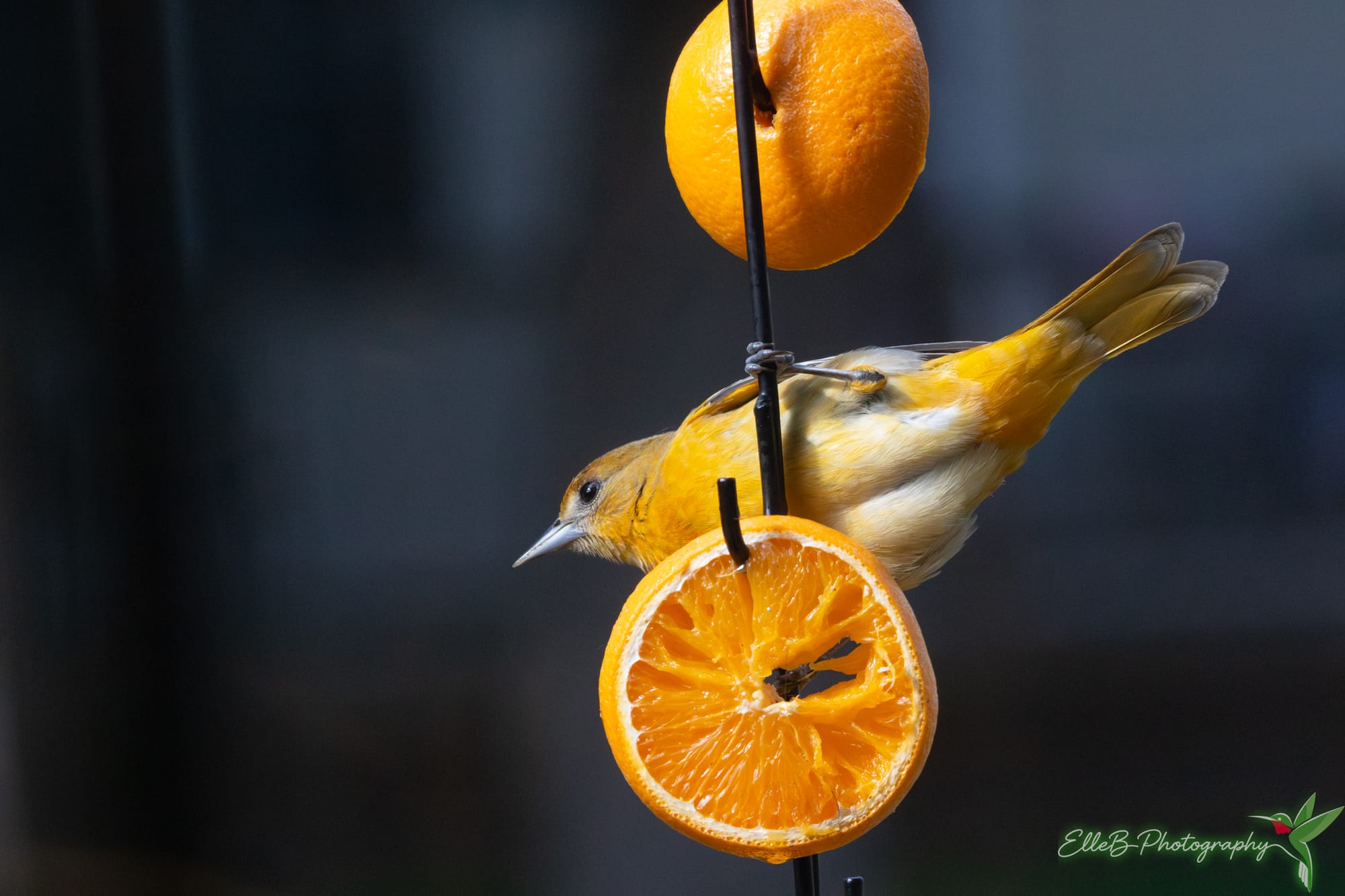
Baltimore Oriole
If you're not sure where to start feeder wise, it's easy! Orioles are attracted to the color orange, as that signifies the color of ripe fruit for them. Typically most oriole based feeders are already orange specific for that reason. They can come in many different sizes and styles, and I have a few different types. There are jelly only feeders, or you can get one that has a dual purpose, of containing jelly, and also hanging fruit from. Pictured above, you can also hang fruit from a hook style feeder.
Watching them perch and feed from them is really cool and makes it feel a bit more natural. There any many more styles you can chose from available at most any store that sells bird feeding supplies, and online. Another option, and one I haven't had as much success with is suet. Most brands that offer suet for birds will have an orange flavor cake available. Most often I find other birds enjoying the suet versus the orioles which is totally fine, as I keep suet as a year round offering at my feeding station anyway.
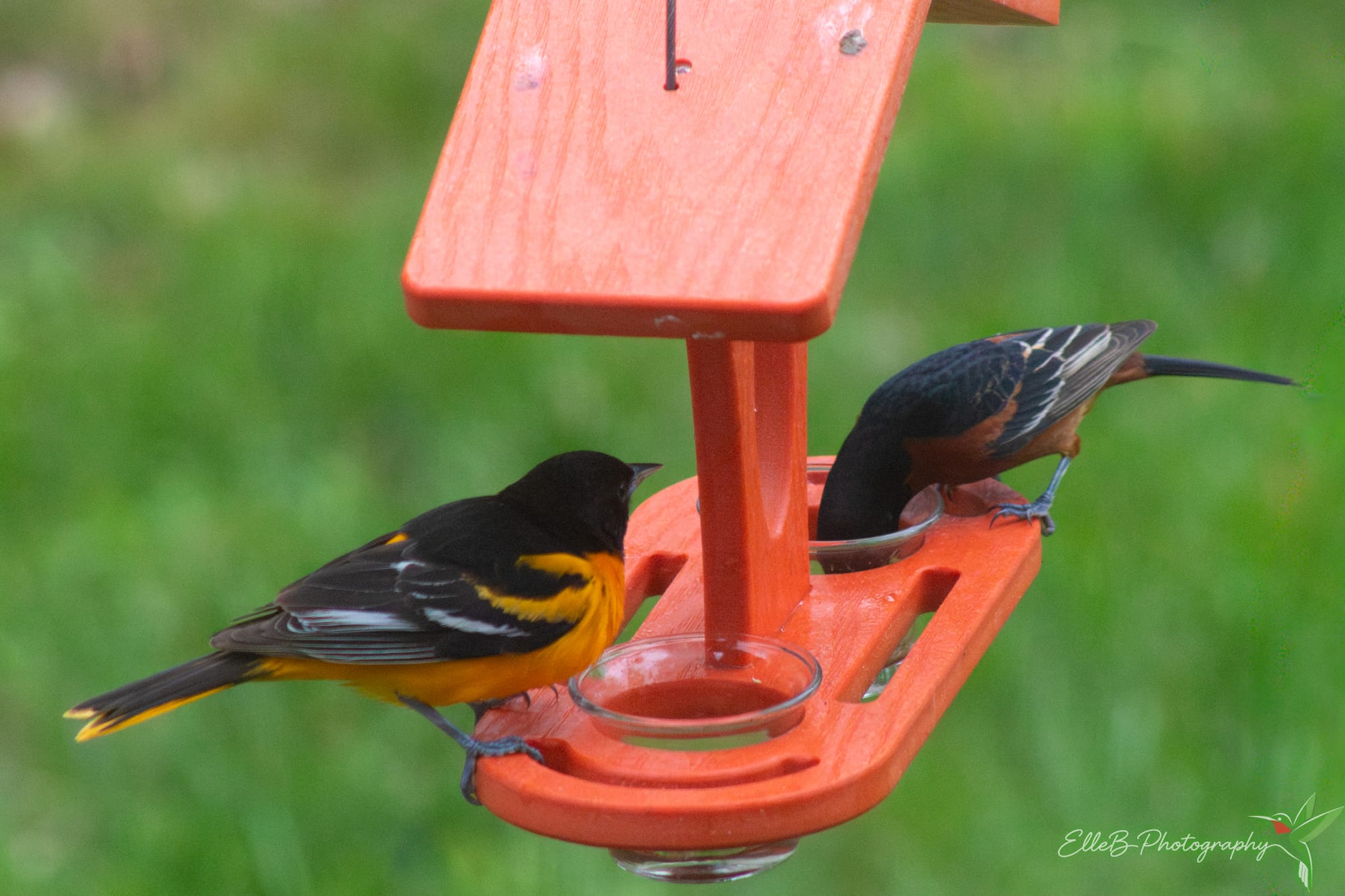
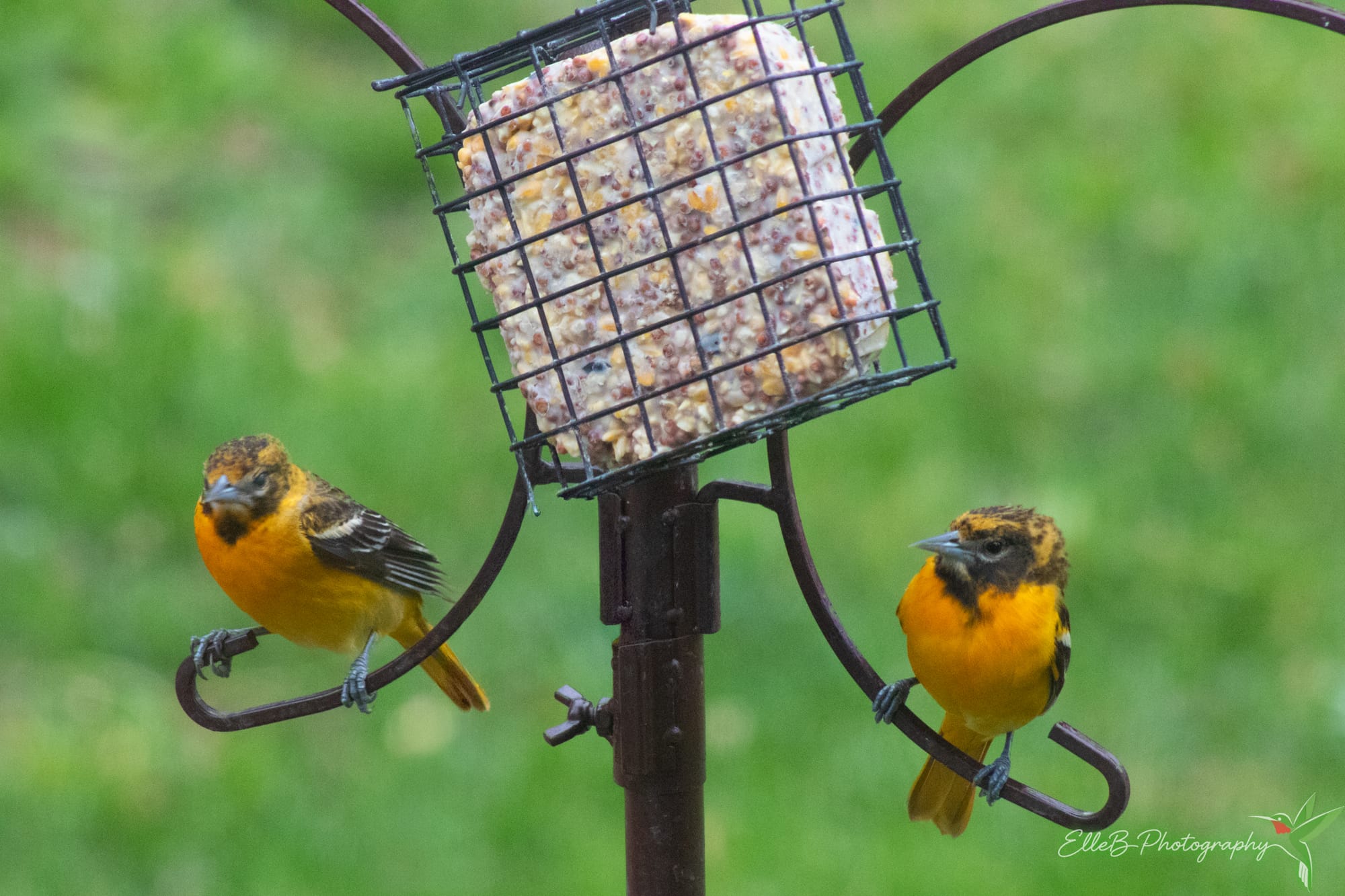
Baltimore Oriole, Orchard Oriole
A bonus to feeding orioles, is that those feeders might also attract other species of birds to your yard! I always find that Grey Catbirds enjoy eating grape jelly, as well as American Robins, House Finch, and more.
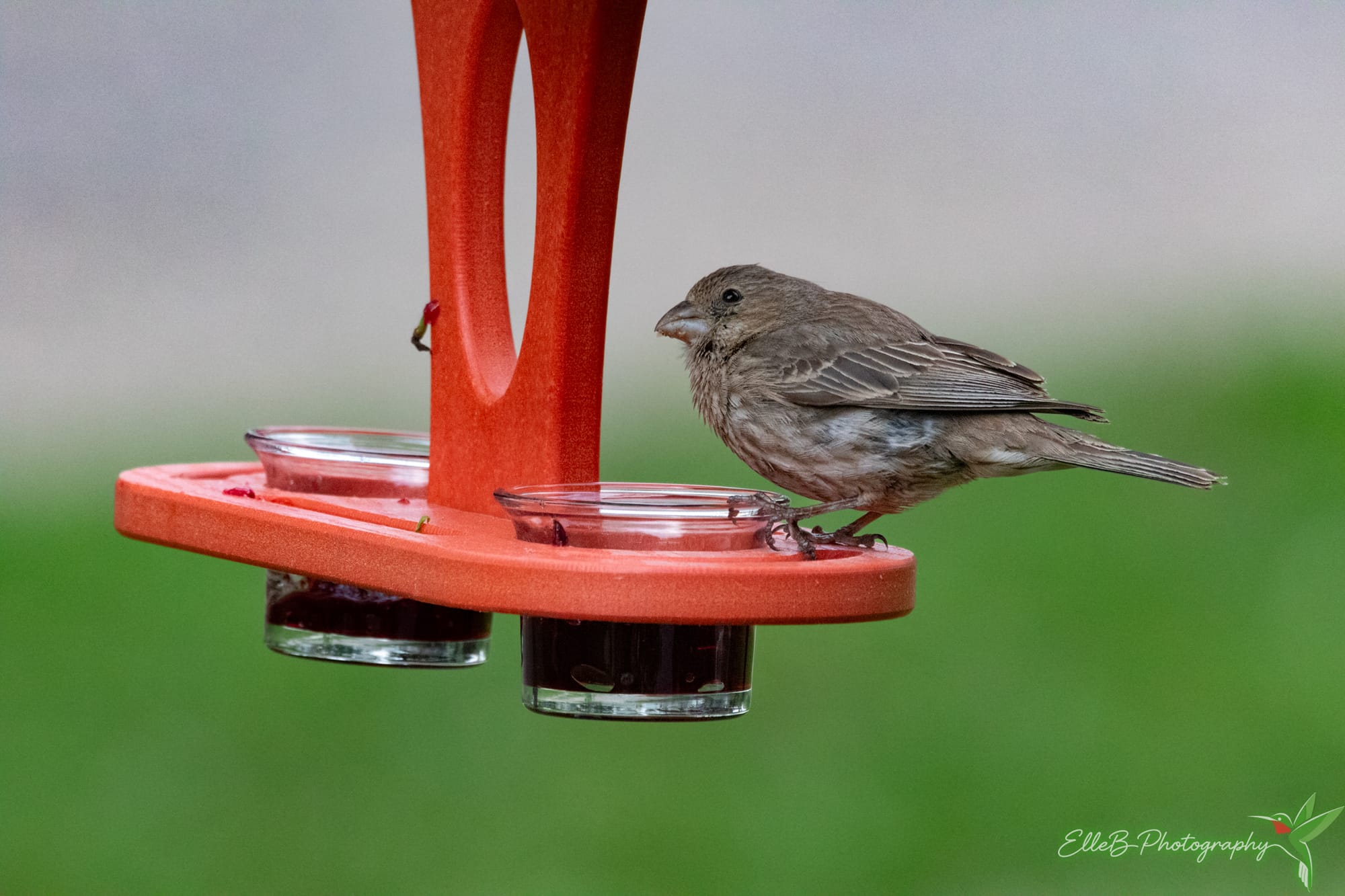
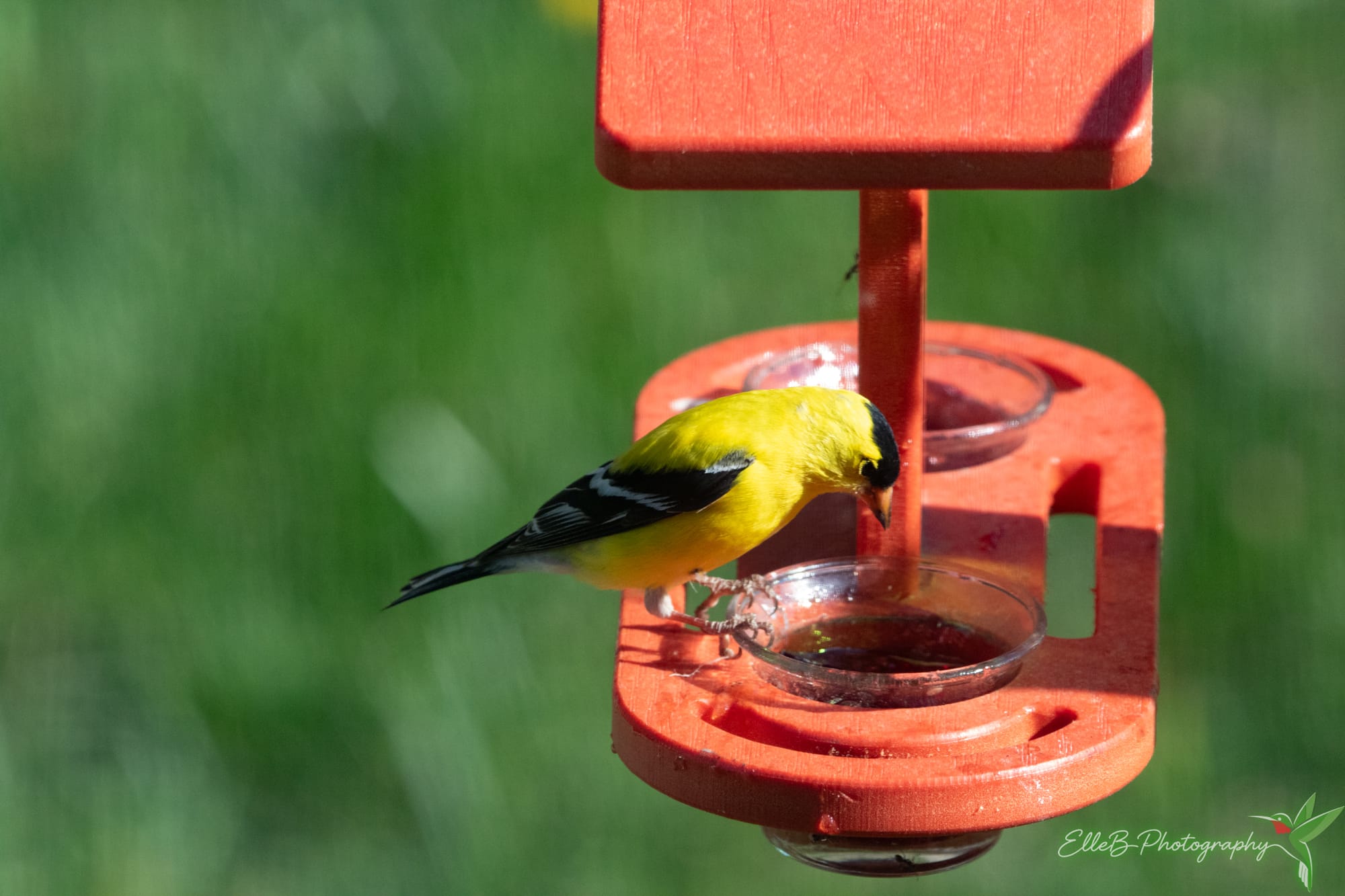
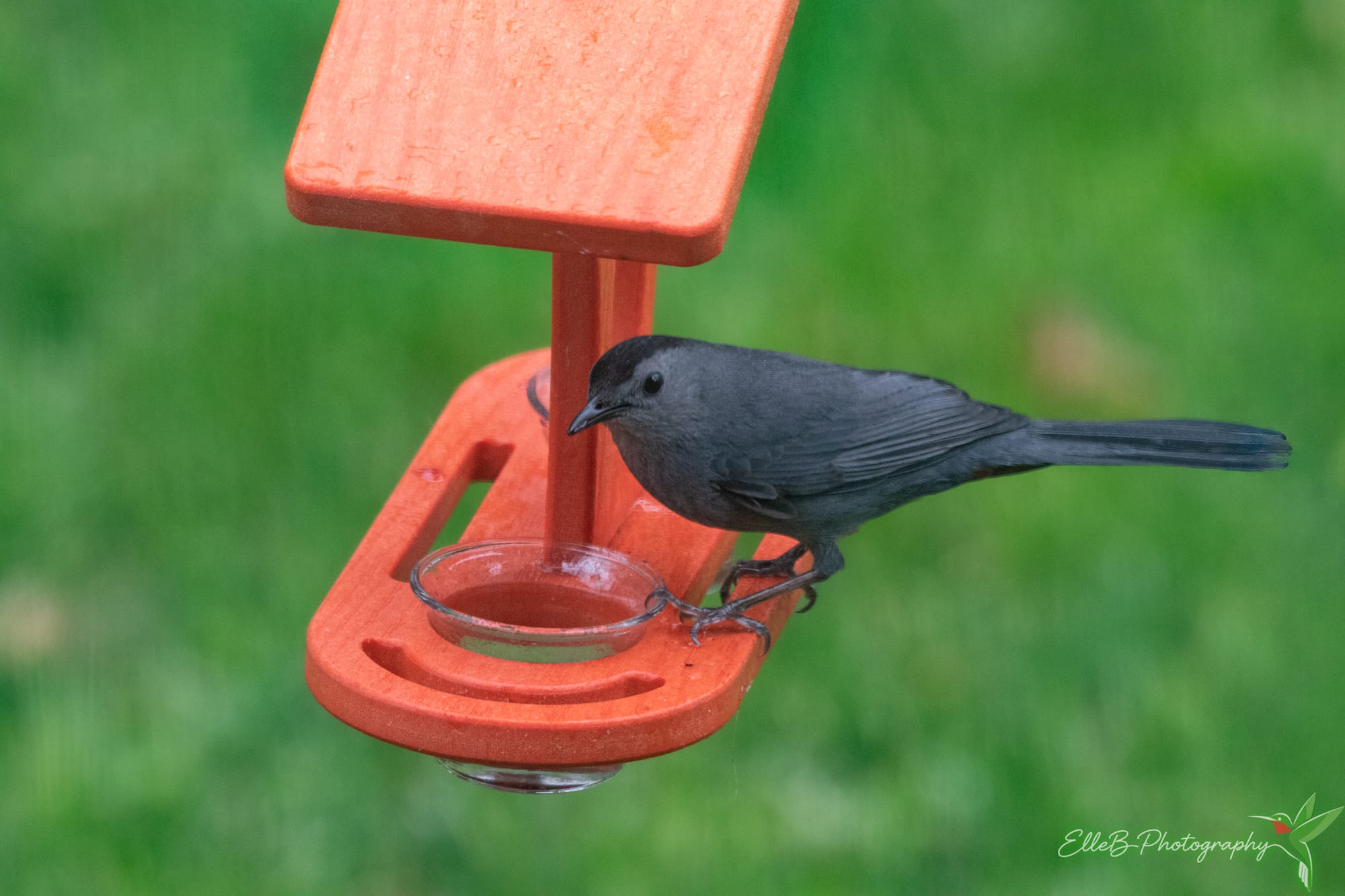
House Finch, American Goldfinch, Grey Catbird
An important thing to note, is to keep your feeders cleaned! Keeping a sugary substance out in the sun creates a gross sticky mess and can and most likely will attract pests. Ants, flies, and even bees and wasps will be attracted to those sugars. There are ways to help deter at least the ants away, and that is by using an ant moat. You can hang your feeder from the little plastic or glass cup and keep it filled with water. The water creates a barrier ants can’t cross, helping protect your feeder from becoming overrun.
Another surefire way to help attract orioles in to your yard is by planting native plants. Native trees for Iowa that are perfect for orioles include Oak, Cottonwood, American Elm, and Silver Maple. These trees host caterpillars and other insects for natural feeding zones, and provide sites for nesting. Feeders will definitely bring them in, but providing natural habitat will keep them around! I really enjoy watching and feeding these birds, and I hope that by sharing my experience, you can do the same. Comment down below if you already do feed orioles, or if you plan on it! I would love to know.